

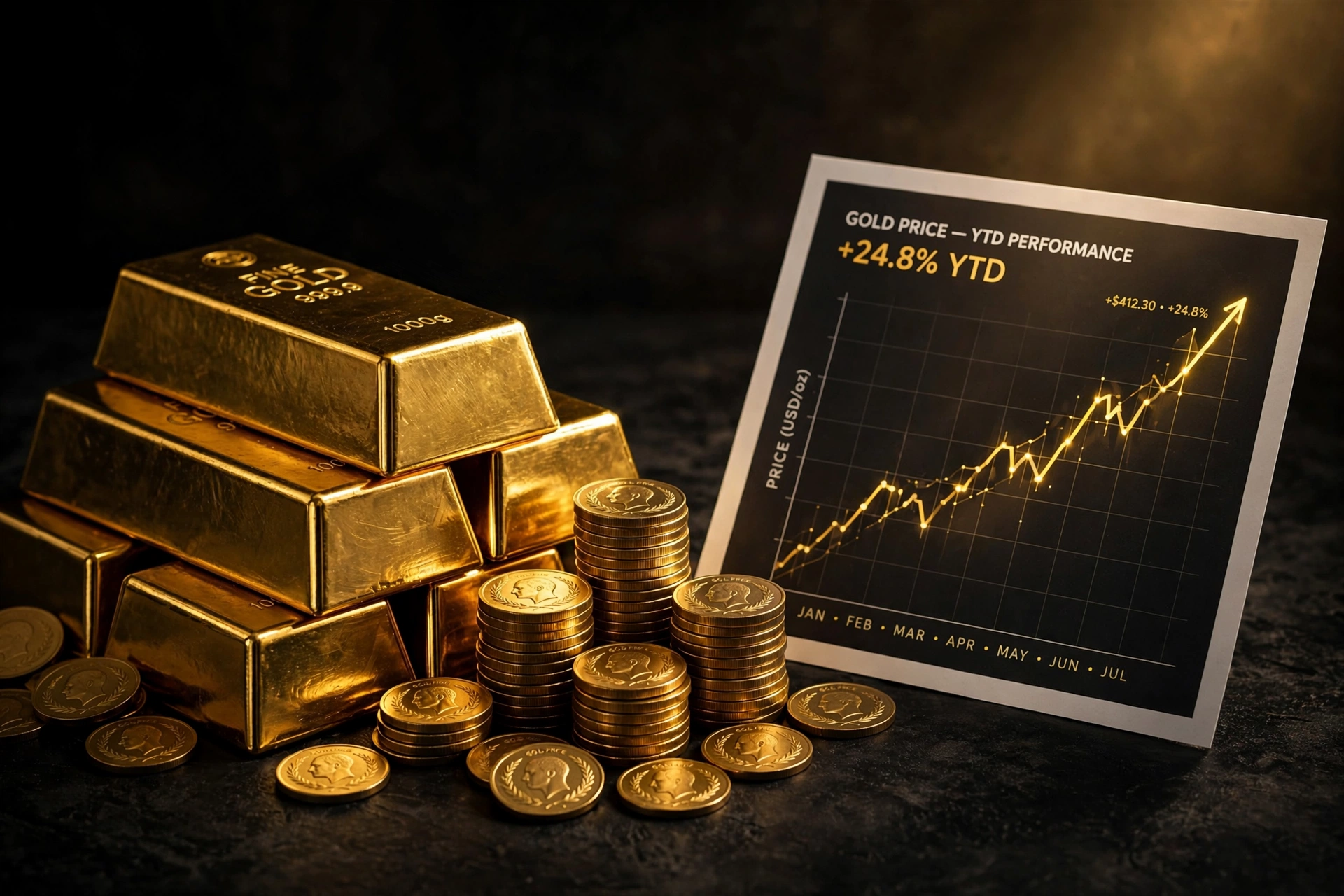
Gold has spent 2026 doing something it has done with remarkable consistency lately: setting records. The metal has pushed to a series of all-time highs, extending a multi-year rally that has wrong-footed sceptics and rewarded central banks that spent the past decade quietly stockpiling bullion. For readers of Indexation News, the question is no longer whether gold matters again — it is what, exactly, is driving the run, and how long the forces behind it can last.
Driver one: central banks are buying — heavily
The single largest structural force is official-sector demand. Central banks, led by emerging-market institutions diversifying reserves away from the dollar, have been purchasing gold at a pace not seen in generations — over a thousand tonnes a year in recent years, according to industry tallies. The World Gold Council’s research hub, Goldhub Research, documents how this buying has provided a firm floor under prices: every dip attracts official demand, which changes the market’s psychology for everyone else. Unlike speculative buyers, central banks are not chasing momentum; they are rebalancing the world’s reserves, a process measured in decades, not quarters.
Driver two: the search for safety
Layered on top of that floor is classic safe-haven demand. Geopolitical tensions, concerns about government debt levels in major economies, and periodic bouts of equity-market volatility have all pushed investors toward an asset with no counterparty risk and a five-thousand-year track record. Gold pays no interest and generates no earnings, which historically counted against it when real interest rates were high. That headwind has mattered less recently: many investors appear to be weighing fiscal sustainability more heavily than opportunity cost, a shift that has surprised even seasoned market watchers. Coverage of the commodity markets at Reuters Commodities has tracked how each new record has drawn in momentum-driven funds, amplifying moves in both directions.
Driver three: jewellery, technology and a constrained supply
Physical demand remains the market’s ballast. Jewellery fabrication — above all in India and China — still absorbs a huge share of annual supply, and festival-season buying has stayed resilient despite record prices, albeit with buyers choosing lighter pieces. Industrial and dental demand is small but steady. On the other side of the ledger, mine supply grows slowly: new deposits are rare, permitting is slow, and grades at existing mines keep declining. Recycling responds to high prices, but not enough to flood the market. A market with inelastic supply and structural new demand does not need much extra buying to move sharply.
What analysts are watching now
The debate among analysts is less about direction than about durability. Bulls point to the central-bank bid, debt trajectories in the developed world and gold’s still-modest share of global portfolios, arguing there is room for allocations to rise. Bears counter that a great deal of good news is already priced in, that speculative positioning can unwind violently, and that any durable easing of geopolitical tension or a sustained rise in real yields could trigger a sharp correction. Both sides agree on one thing: volatility around the highs is likely to be higher than the calm, grinding rally that preceded them.
What it means for ordinary investors
For retail investors, the rally carries a practical warning: chasing record prices with money needed soon is speculation, not saving. Those who do hold gold typically treat it as a small, long-term portfolio diversifier — commonly a single-digit percentage — held through coins, bars or regulated funds, with premiums and storage costs counted honestly. Silver and mining shares have ridden gold’s coattails but with far wilder swings. Whatever the next leg of this record run brings, the metal’s message is the same one it has sent for centuries: when trust in paper promises wobbles, gold is where the world goes to check the price of certainty.
