

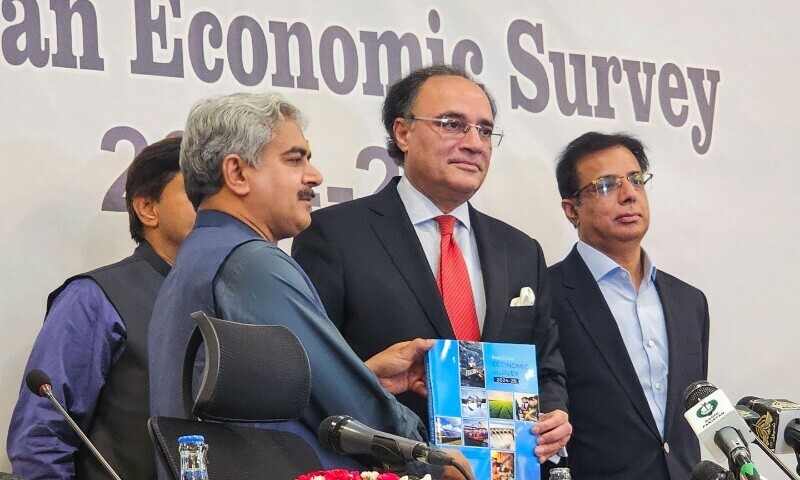
Economic growth has become a major priority for governments around the world as rising inflation, unemployment concerns, and global market uncertainty continue to affect businesses and households. In response, the government has announced several major policy changes aimed at strengthening the economy, encouraging investment, supporting local industries, and creating new job opportunities. These economic reforms are expected to improve business confidence, stabilize financial conditions, and promote long-term national development. The latest government policies also focus on infrastructure, taxation, digital transformation, and trade expansion to ensure sustainable economic progress in the coming years.
Government Introduces New Economic Reform Strategies
Tax Reforms Designed to Support Businesses
One of the most important policy changes includes adjustments to the national tax system to encourage business growth and investment. The government plans to reduce certain taxes for small and medium-sized businesses while offering incentives to companies that invest in innovation and local production. These tax reforms are expected to improve cash flow for businesses and help entrepreneurs expand operations more efficiently. Lower tax pressure may also attract foreign investors looking for stable economic environments with business-friendly regulations.
Increased Public Spending on Infrastructure
The government has also announced increased spending on infrastructure projects to boost economic activity and create employment opportunities. Major investments in roads, transportation systems, energy projects, and digital infrastructure are expected to improve productivity across multiple industries. Better infrastructure can strengthen supply chains, support regional development, and improve business operations nationwide. Economists believe these projects may play a key role in stimulating long-term economic growth while improving public services.
Financial Policies Focused on Market Stability
Financial stability remains a central goal of the new economic policies. Authorities are introducing measures to control inflation, stabilize currency fluctuations, and maintain investor confidence in financial markets. Central banking institutions may also adjust interest rates and lending policies to encourage responsible borrowing and economic expansion. These financial strategies are intended to reduce uncertainty while supporting sustainable growth across both public and private sectors.
Business and Employment Sectors Expected to Benefit
Job Creation Through Industrial Expansion
The new government policies are expected to create thousands of jobs through industrial development and business expansion. By supporting manufacturing, technology, construction, and renewable energy sectors, the government aims to increase employment opportunities for skilled and unskilled workers alike. New investments in local industries may also strengthen domestic production and reduce dependence on imports. As businesses expand, demand for workers is likely to rise across various sectors of the economy.
Support Programs for Small Businesses
Small businesses are considered a major driver of economic growth, and the government has introduced several programs to help them succeed. These support measures include easier loan access, reduced regulatory barriers, and funding opportunities for startups and entrepreneurs. Small business owners may also benefit from digital transformation initiatives designed to improve competitiveness in modern markets. By empowering entrepreneurs, the government hopes to strengthen local economies and increase long-term business sustainability.
Workforce Development and Skills Training
Another important policy focus involves workforce training and education programs. Governments recognize that economic growth depends heavily on skilled labor and modern workforce capabilities. New initiatives aim to provide technical training, digital skills education, and vocational development opportunities for young professionals and workers seeking career advancement. Improved workforce readiness can help businesses fill skill gaps while increasing productivity and employment rates across the country.
Long-Term Economic Growth and Future Outlook
Foreign Investment and Global Trade Opportunities
The government’s economic growth strategy also emphasizes foreign investment and international trade expansion. New trade agreements, investment incentives, and export support programs are expected to improve the country’s position in global markets. By attracting international investors, the government hopes to increase capital inflows, improve technology transfer, and create stronger trade partnerships. These efforts may contribute significantly to national economic stability and long-term financial growth.
Digital Economy and Innovation Policies
Digital transformation has become a key component of modern economic policy. The government plans to invest heavily in technology infrastructure, digital services, and innovation-focused industries to improve competitiveness in the global economy. Policies supporting artificial intelligence, e-commerce, fintech, and digital entrepreneurship are expected to open new business opportunities while modernizing traditional industries. A stronger digital economy can also improve efficiency, communication, and access to global markets.
Sustainable Development and Green Economy Plans
Environmental sustainability is also included in the government’s economic growth agenda. Officials are promoting renewable energy projects, clean technology investments, and environmentally responsible business practices. These policies aim to balance economic expansion with environmental protection while creating new opportunities within the green economy sector. Sustainable growth strategies may help reduce long-term environmental risks while supporting innovation and future economic resilience.
FAQs
1. What are the major policy changes announced by the government?
The government announced reforms related to taxation, infrastructure investment, business support, workforce development, and financial stability.
2. How will these policies support economic growth?
The policies aim to increase investment, create jobs, improve infrastructure, and strengthen business activity across multiple industries.
3. Which sectors may benefit the most from the new policies?
Manufacturing, technology, renewable energy, construction, and small businesses are expected to benefit significantly.
4. Why is infrastructure investment important for the economy?
Infrastructure projects improve transportation, productivity, supply chains, and employment opportunities, which support long-term economic growth.
5. How can small businesses benefit from these reforms?
Small businesses may receive tax relief, easier access to funding, and support programs designed to improve growth and competitiveness.
Conclusion
The government’s latest policy changes represent a major effort to strengthen economic growth, improve market stability, and support long-term national development. Through tax reforms, infrastructure investment, business support programs, and digital innovation initiatives, these strategies aim to create a stronger and more competitive economy. While challenges may still exist, the overall direction of these reforms reflects a commitment to sustainable growth, job creation, and increased investment opportunities. As these policies are implemented, businesses, workers, and investors will closely watch their impact on the country’s economic future.