

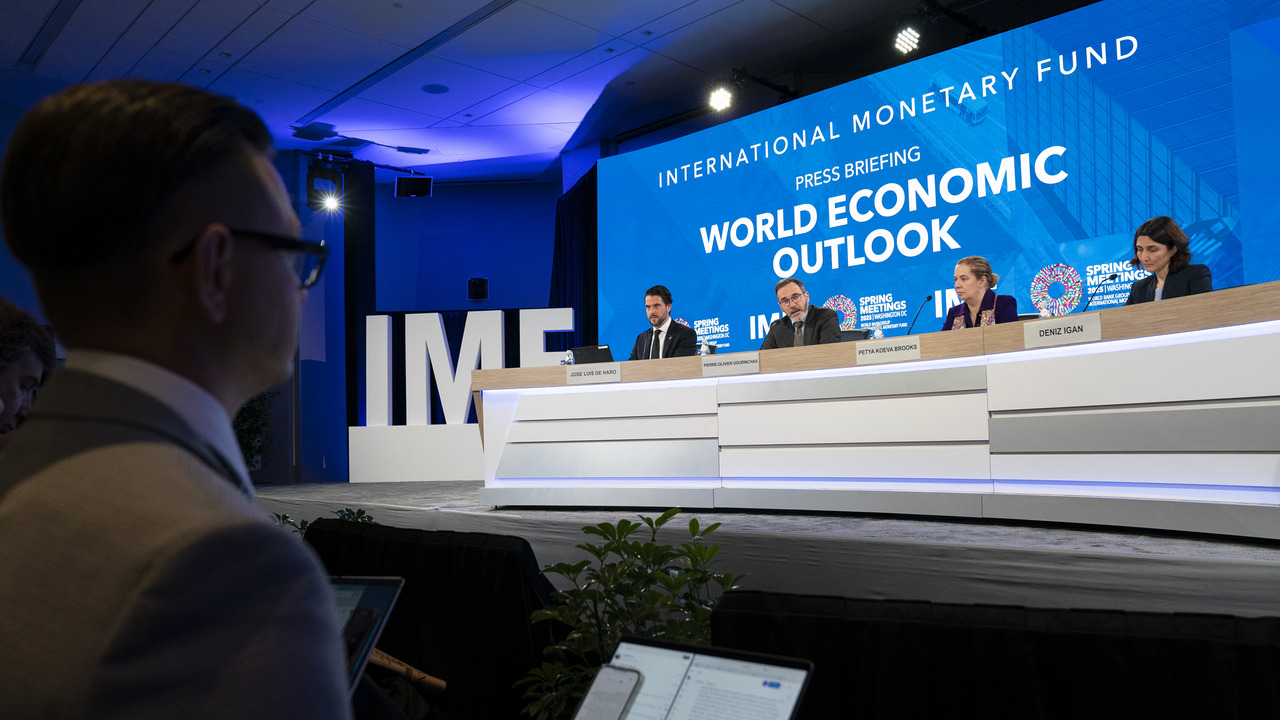
The global economy is going through a major transformation driven by technology, climate change, shifting trade patterns, and new financial systems. These breaking economic trends are not just temporary changes; they are reshaping how countries produce goods, how businesses operate, and how people earn money. Understanding these shifts is important for investors, professionals, and anyone who wants to stay ahead in a fast-changing financial world. In this article, we explore the most powerful economic trends that are expected to redefine the global economy in the coming years.
Digital Transformation and the Future of Global Economy
Rise of Artificial Intelligence in Economic Systems
Artificial Intelligence is becoming one of the most influential forces in the modern economy. Businesses are using AI to automate tasks, reduce costs, and improve decision-making. From customer service chatbots to advanced data analytics, AI is reshaping productivity across industries. This shift is also changing job markets, as demand grows for tech-related skills while traditional roles evolve. As AI continues to improve, it is expected to significantly increase global economic output and efficiency.
Expansion of Digital Economies Worldwide
Digital economies are expanding rapidly as more businesses move online. E-commerce, digital payments, and online services are becoming the backbone of global trade. Developing countries are also adopting digital platforms, which helps increase financial inclusion and business opportunities. This trend is creating new income streams and reducing barriers to entry for entrepreneurs. As internet access improves globally, the digital economy will continue to play a major role in shaping world economic growth.
Growth of Remote Work and Global Talent Markets
Remote work has transformed how companies hire and operate. Businesses are no longer limited by geography when recruiting talent. This shift has created a global talent market where professionals can work for international companies from anywhere. It also reduces operational costs for businesses while increasing job opportunities for skilled workers. The long-term impact of remote work is a more flexible, decentralized, and competitive global workforce.
Green Economy and Sustainable Development Trends
Transition Toward Renewable Energy Sources
One of the biggest economic shifts is the transition from fossil fuels to renewable energy. Countries are investing heavily in solar, wind, and hydro energy to reduce carbon emissions. This transition is creating new industries and transforming traditional energy markets. As technology improves, renewable energy is becoming more affordable and efficient, making it a key driver of future economic growth and sustainability.
Climate Policies Reshaping Global Trade
Governments around the world are introducing strict climate policies that directly affect international trade. Carbon taxes, emission regulations, and environmental standards are changing how companies operate globally. Businesses that fail to adapt risk losing competitiveness in global markets. These policies are encouraging cleaner production methods and pushing industries toward sustainable innovation, which is becoming a core part of economic planning.
Rise of Green Investments and ESG Standards
Environmental, Social, and Governance (ESG) standards are becoming a major factor in investment decisions. Investors are increasingly focusing on companies that follow sustainable and ethical practices. Green investments are growing rapidly as financial institutions prioritize long-term environmental stability. This trend is influencing corporate strategies and encouraging businesses to adopt eco-friendly models to attract global funding.
Financial Innovation and Changing Global Trade Systems
Growth of Digital Currencies and Blockchain Economy
Digital currencies and blockchain technology are transforming the financial system. Cryptocurrencies and central bank digital currencies are changing how money is stored, transferred, and regulated. Blockchain provides transparency, security, and efficiency in transactions, reducing dependency on traditional banking systems. This innovation is creating new financial opportunities and redefining global monetary structures.
Shifts in Global Supply Chains
Global supply chains are undergoing major restructuring due to geopolitical tensions and economic uncertainty. Companies are diversifying suppliers and moving production closer to consumer markets. This trend, known as “nearshoring” and “reshoring,” is reducing dependency on single regions. It is also making supply chains more resilient, flexible, and less vulnerable to disruptions.
Inflation and Changing Interest Rate Policies
Inflation and interest rate changes are strongly influencing global economic stability. Central banks are adjusting policies to control inflation while supporting growth. These decisions affect borrowing costs, investments, and consumer spending. In the long run, monetary policies will continue to play a key role in stabilizing economies and guiding financial markets through uncertainty.
FAQs
What are breaking economic trends?
They are major global changes that influence how economies grow, trade, and operate over time.
Why is digital transformation important for the economy?
It improves productivity, creates new industries, and expands global business opportunities.
How does renewable energy affect the economy?
It creates new jobs, reduces environmental damage, and reshapes the energy sector.
What is the role of digital currencies in the economy?
They modernize financial systems and offer faster, more secure transactions.
How do global supply chain changes impact businesses?
They improve resilience and reduce dependency on specific regions or suppliers.
Conclusion
Breaking economic trends are reshaping the global economy in powerful and long-lasting ways. From digital transformation and green energy to financial innovation and supply chain restructuring, these changes are creating new opportunities and challenges worldwide. Understanding these trends helps individuals and businesses prepare for the future and adapt to an evolving economic landscape. Staying informed and flexible will be the key to success in the new global economy.