

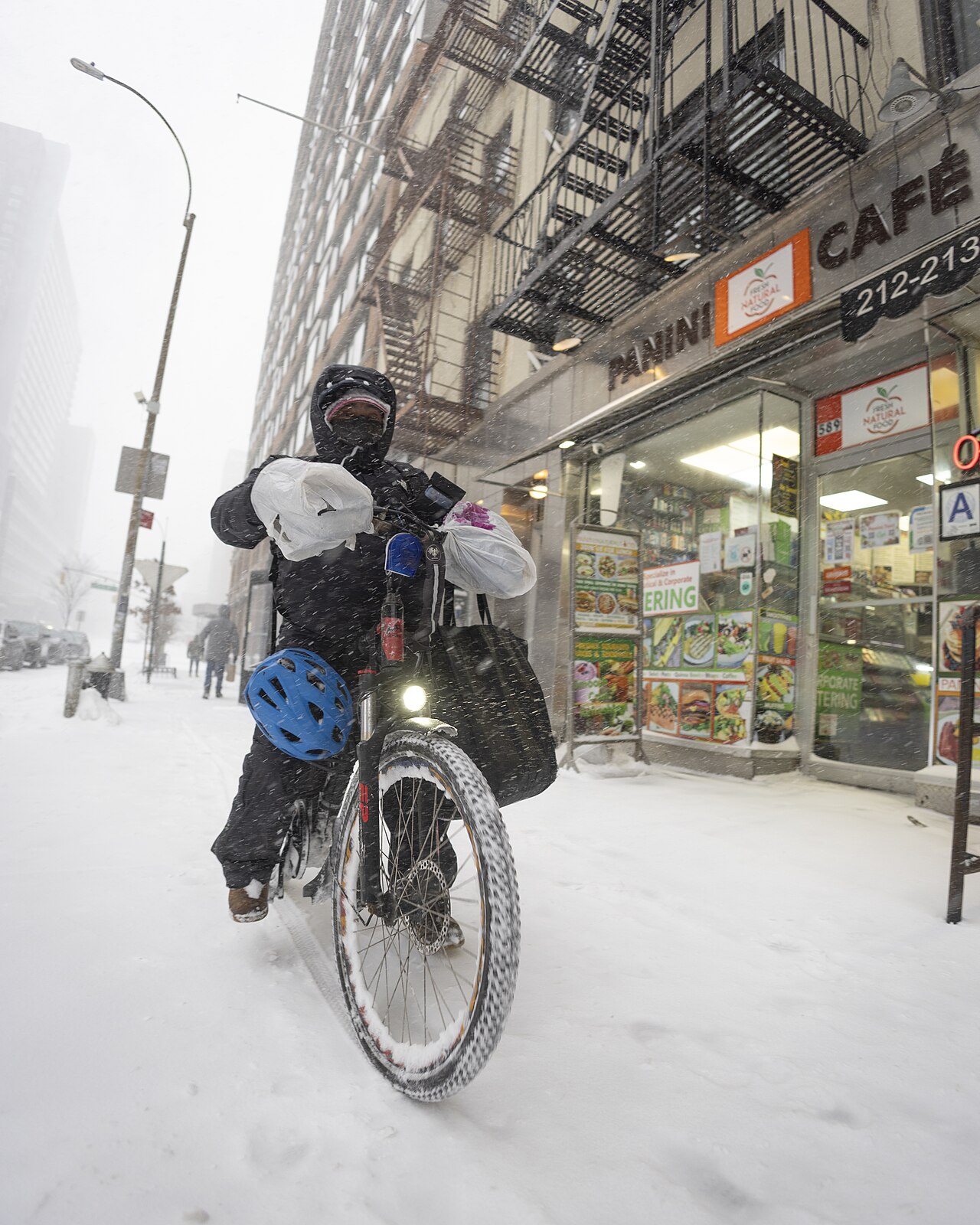
DoorDash has agreed to buy Instacart for $17 billion, a deal that would unite the two dominant names in American delivery and reshape how millions of households order food and groceries. The agreement, reported on Friday, caps years of rivalry between a company built on restaurant meals and one built on supermarket aisles. Together they would handle an enormous share of the orders that arrive on US doorsteps every day.
Why DoorDash Wants to Buy Instacart
The logic of the merger is the overlap of the customer. Households that order dinner on DoorDash also need groceries, and Instacart’s shoppers already pick those groceries from the same stores DoorDash couriers visit. Combining the networks promises denser routes, faster deliveries and a single subscription worth more to families. It also gives the merged company unmatched data on what America eats, a prize advertisers and consumer brands will pay to reach. The deal sits squarely among the economic trends investors are watching right now, as scale becomes the industry’s main defence.
Regulators Will Have Questions
A combination of this size will not sail through unexamined. Antitrust officials have grown sceptical of platform mergers, and rivals such as Uber Eats and Walmart’s delivery arm will argue that the merged company could squeeze restaurants, grocers and couriers alike. DoorDash and Instacart will counter that competition from supermarkets, Amazon and quick-commerce startups remains fierce. The review could take many months, and conditions, such as divestitures in overlapping cities, are possible before any closing.
AI Agents Are Not the Threat Yet
One footnote from DoorDash’s recent earnings call adds context: the company disclosed that third-party AI agents have so far placed only several hundred orders in total, against its three million daily deliveries. The daily business briefing highlighted the deal as the day’s top corporate story. For now, the delivery wars will be won by logistics and loyalty, not chatbots, and this merger is a $17 billion bet on exactly that.
If it completes, the transaction will be remembered as the moment US delivery consolidated into a single giant with national reach. Shoppers may notice little at first beyond shared subscriptions and wider choice. Restaurants, grocers and couriers, whose fees fund the whole system, will watch the fine print far more closely.
