

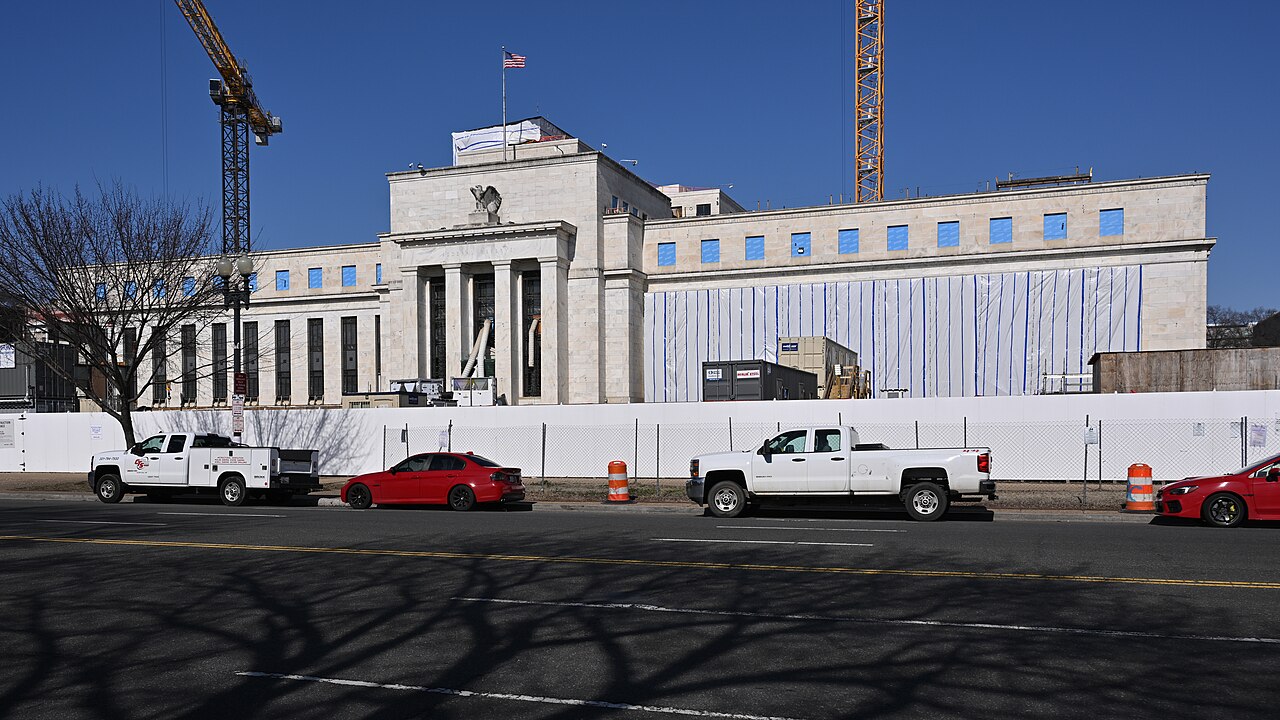
The Federal Reserve held its benchmark interest rate steady at 3.75 to 4.00 per cent this week, but the calm headline hid an unusually divided committee. Two officials, Lisa Cook and Beth Hammack, voted for a rate increase, and in the days since, Dallas Fed President Lorie Logan has argued publicly that the outlook requires at least two additional quarter-point rises to bring inflation under control. For borrowers and savers, the message is that the era of hoping for cuts is over for now.
The Federal Reserve’s Unusually Public Split
Fed officials normally choreograph their disagreements carefully. Logan’s call for at least 50 basis points of further tightening, made while colleagues were still giving their own post-meeting speeches, signals genuine anxiety inside the central bank that inflation, fed by $117 oil and resilient wage growth, is not beaten. Friday’s Employment Cost Index came in at 0.8 per cent, matching forecasts but keeping labour costs firmly in view. The hawks’ argument is simple: with energy prices rising, waiting risks letting inflation expectations drift.
What It Means for Households
Rates on hold at this level, with rises possible, means mortgage and credit costs stay high into next year. Our personal finance section has practical guidance on managing expensive debt, but the headline is that refinancing relief is not coming soon. Savers, meanwhile, continue to enjoy the best deposit rates in a generation, one of the few unambiguous benefits of the Fed’s stance for ordinary households.
Markets Are Listening
The hawkish turn was one strand of this week’s market rout: bond prices fell alongside stocks, gold and crypto, as Friday’s market roundup documented in detail. Chicago PMI data softened to 55.3, and a run of Fed speeches through Friday, from Barkin, Daly and Logan herself, kept traders repricing the path of policy in real time. Rate futures now treat a December hike as a live possibility rather than a tail risk.
The Fed’s next decision will be fought over data that has not arrived yet: the jobs report, the next inflation prints and whether oil stays above $110. Until then, households and markets share the same uncomfortable position, planning for rates that could stay exactly where they are, or go up, with nobody at the central bank willing to promise relief.
