

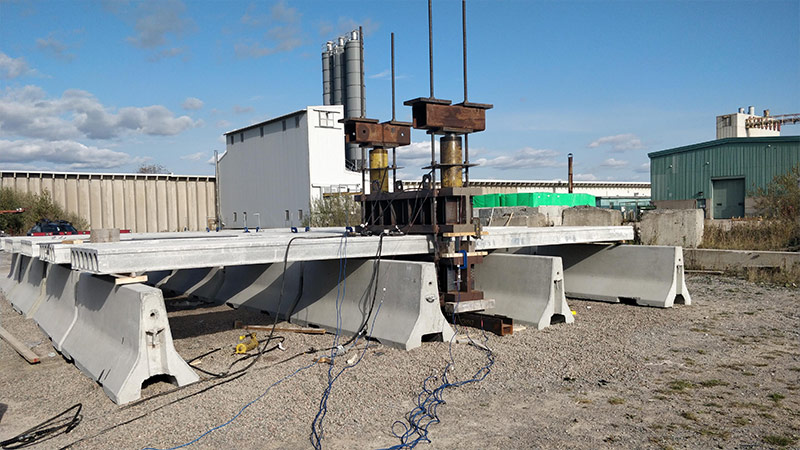
The construction industry is under constant pressure to deliver projects faster, safer, and at more predictable costs — without sacrificing quality. One method that continues to gain ground with architects, engineers, and developers is precast concrete construction. By shifting the manufacturing of structural elements off-site and into controlled factory environments, this approach is reshaping how modern buildings get built.
In this post, we’ll break down what precast concrete construction actually involves and why it’s become a go-to solution for everything from warehouses and parking structures to schools, hospitals, and high-rise residential towers.
What Is Precast Concrete Construction?
Precast concrete construction is a building method in which concrete components — such as wall panels, beams, columns, slabs, and staircases — are cast and cured in a factory setting, then transported to the job site for assembly. This is in contrast to traditional cast-in-place concrete, which is poured and cured directly at the construction site.
Because the elements are manufactured under tightly controlled conditions, precast concrete construction offers a level of consistency and quality control that’s difficult to replicate with on-site pouring.
Key Benefits of Precast Concrete Construction
1. Faster Project Timelines
One of the biggest draws of precast concrete construction is speed. Since components are manufactured off-site while site work (excavation, foundations, utilities) happens in parallel, overall project schedules can shrink significantly. There’s no need to wait for concrete to cure on-site before moving to the next phase — the pieces arrive ready to install.
2. Consistent, High-Quality Output
Factory conditions mean precast elements are made with controlled temperature, humidity, and mixing processes. This reduces the variability that often comes with weather-dependent, on-site pours, resulting in stronger, more uniform components with fewer surface defects.
3. Cost Predictability
Because materials, labor, and production schedules are managed in a controlled facility, project managers gain better visibility into costs. Fewer weather delays, less on-site labor, and reduced material waste all contribute to more predictable budgeting — a major advantage for large-scale developments.
4. Improved Job Site Safety
Moving the bulk of concrete work off-site reduces the number of workers, equipment, and hazards present at the construction site at any given time. Precast elements arrive ready for installation, which lowers the risk of accidents associated with formwork, on-site mixing, and prolonged exposure to heavy machinery.
5. Design Flexibility
Modern precast concrete construction isn’t limited to plain gray panels. Manufacturers can produce a wide range of finishes, textures, colors, and architectural shapes, giving designers the freedom to meet both structural and aesthetic goals without compromising on performance.
6. Durability and Low Maintenance
Precast concrete components are inherently resistant to fire, pests, mold, and extreme weather. This translates into lower long-term maintenance costs and a longer service life compared to some alternative building materials.
7. Sustainability Advantages
Because precast elements are manufactured in bulk under factory conditions, material waste is minimized and quality control reduces the likelihood of rework. Many precast producers also use recycled aggregates and optimize mix designs to lower the environmental footprint of each project.
Where Precast Concrete Construction Makes the Biggest Impact
- Parking structures — repetitive floor plates and long spans are ideal for precast efficiency
- Warehouses and industrial buildings — large, open spaces benefit from precast’s speed and strength
- Educational and healthcare facilities — quality control and durability matter in high-use environments
- Multi-family and high-rise residential — repeatable unit layouts translate well to precast panel systems
Final Thoughts
As project owners and contractors look for ways to compress schedules, control costs, and improve on-site safety, precast concrete construction continues to stand out as a smart, scalable solution for modern building projects. Whether you’re planning a commercial development, a public infrastructure project, or a residential complex, precast methods offer a compelling combination of speed, quality, and long-term value that’s hard to match with traditional construction approaches.
