

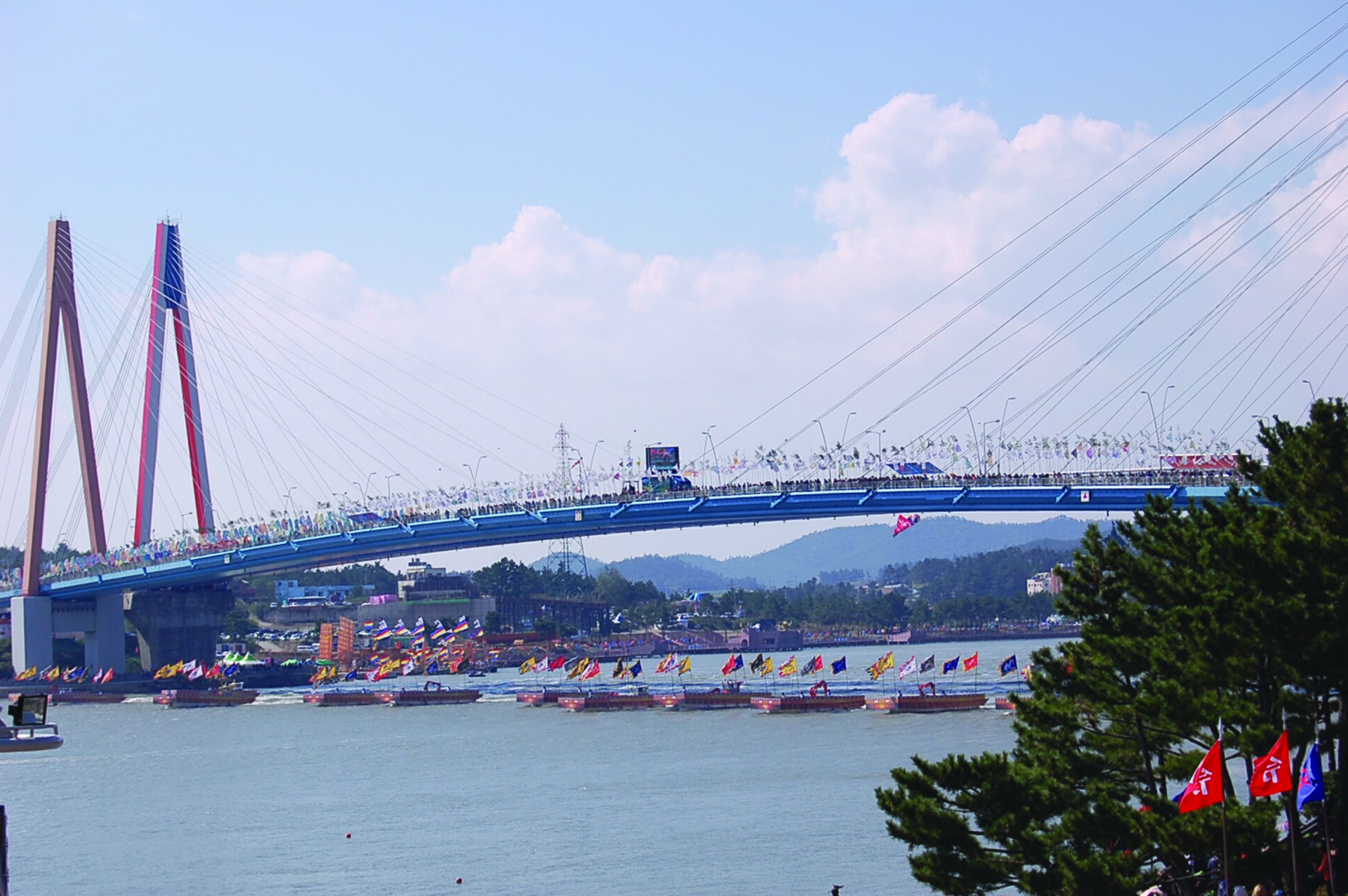
Global tourism’s headline numbers look flat: international arrivals grew just 0.4 percent in the first half of 2026, and Asia-Pacific remains 11 percent below 2019 levels. Yet beneath the stagnation, travellers are changing what a trip is for — spending less on seeing famous things and more on doing meaningful ones — the shift now widely labelled experiential travel — even as higher prices force them to cut elsewhere.
Experiential Travel Takes Over the Holiday
Across Japan, Singapore, Indonesia, Australia and New Zealand, the pattern repeats: visitors prioritise local food, living traditions, community encounters and hands-on activities. Thailand has made the shift national policy, with its tourism authority setting five priorities for 2027 — wellness and longevity, festivals, creative experiences, regenerative tourism and trusted standards. The Philippines is promoting travel you join rather than watch, inviting visitors to prepare empanadas, weave abel cloth and join farm work in Ilocos.
Europe shows parallel movement in accommodation and activity data, with experience-led segments outpacing the wider market in several countries. The full regional analysis is set out in the Travel and Tour World report on the tourism shift.
Resilience, Not a Boom
The honest reading of the data is resilience rather than universal growth. High airfares, energy prices and disrupted connections weighed on travel through 2026, and UN Tourism trimmed its full-year global growth expectation to 1–2 percent. Some markets within the trend declined even as experience spending rose — Japan’s latest quarter, for instance, exposed a setback beneath strong nine-month figures.
What is changing is the composition of spending, not its total. Travellers are protecting the parts of the trip that feel irreplaceable — the cooking class, the village festival, the guide who grew up there — and economising on the parts that do not. Local economies feel the difference: money spent at indoor markets recruiting young local traders circulates differently from money spent at an international hotel desk.
What Destinations Should Do With This
The strategic implication is that destinations compete on participatory depth now, not landmark inventories. A famous temple viewed through a crowd is a depreciating asset; a weaving cooperative that lets visitors make something is an appreciating one. Tourism boards that invest in community-led product — and protect it from becoming theatre — are buying into the one segment still growing.
For travellers, the shift is quietly liberating. A trip measured in things done with people ages better than one measured in things photographed near people, and the data suggests millions have already figured that out.
Tourism’s recovery was supposed to be about returning to 2019. Instead, travellers have edited the product: fewer sights, deeper experiences, tighter budgets spent more deliberately. The industry that emerges from this shift will be smaller in volume and larger in meaning — and the destinations adapting fastest are the ones treating their own culture as the main attraction.
