

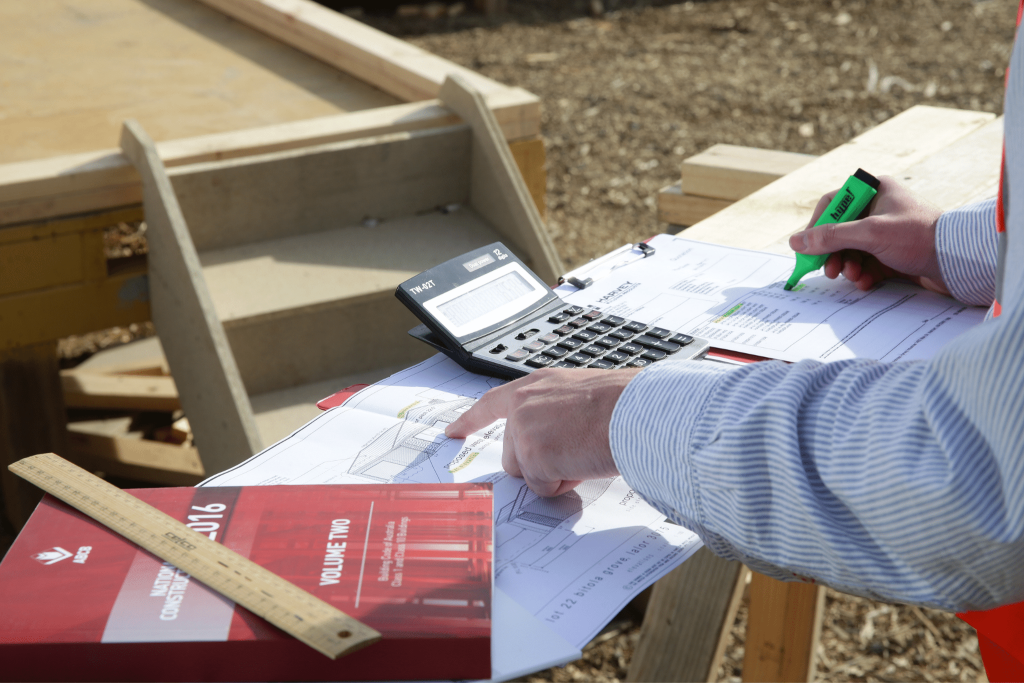
The construction industry continues evolving rapidly as regulations, building standards, safety requirements, and client expectations become increasingly complex. For people planning a long term career in construction, practical experience alone is no longer enough to remain competitive. Formal training now plays a major role in helping future builders develop technical knowledge, understand compliance obligations, and prepare for licensing requirements across Australia.
In regional areas such as Bendigo, builder training programs are becoming increasingly valuable for individuals seeking stable career pathways and long term opportunities within the building industry.
Understanding The Role Of Builder Training
Builder training provides structured education covering both practical construction skills and the business, legal, and regulatory knowledge required to operate professionally within the industry.
Training programs may include construction methods, project management, building codes, workplace safety, estimating, contracts, site supervision, and compliance responsibilities depending on the qualification pathway.
Well rounded training helps prepare future builders for both technical work and broader industry responsibilities.
Licensing Requirements Continue Becoming More Important
Builder licensing requirements in Australia involve far more than construction ability alone. Applicants generally need to demonstrate competency, industry knowledge, practical experience, and understanding of legal responsibilities before obtaining registration or licensing approval.
Formal training often supports these licensing pathways by helping students meet qualification standards and prepare for regulatory expectations more effectively.
For many people pursuing builder training Bendigo licensing and success goals, education becomes one of the most important foundations for long term industry credibility.
Licensing supports both professional recognition and legal compliance.
Safety Knowledge Is Critical In Modern Construction
Construction sites involve significant safety responsibilities, and modern building regulations place strong emphasis on workplace health and safety compliance.
Builder training programs commonly teach risk management, hazard identification, site safety procedures, and legal safety obligations to help reduce workplace incidents and improve operational standards.
Strong safety knowledge protects workers, contractors, and future business operations alike.
Safety compliance is now a central part of professional construction management.
Project Management Skills Improve Career Opportunities
Modern builders often manage far more than physical construction work alone. Scheduling, subcontractor coordination, budgeting, client communication, material planning, and regulatory approvals all form part of successful project delivery.
Builder training increasingly includes project management and communication skills designed to prepare students for supervisory and leadership responsibilities within the industry.
These broader skills often create stronger long term career opportunities beyond on site labour alone.
Understanding Building Regulations Is Essential
Australian building standards and compliance requirements continue evolving regularly. Builders must understand construction codes, permit processes, inspection requirements, environmental standards, and legal responsibilities affecting projects.
Training programs help future builders develop stronger understanding of these obligations before taking on licensed work independently.
Regulatory knowledge helps reduce costly mistakes and compliance risks later.
Business Skills Support Long Term Success
Many builders eventually operate their own businesses or manage larger construction teams. Financial management, quoting, contracts, client communication, and operational planning therefore become increasingly important for long term career growth.
Builder training programs often include business focused learning that supports stronger operational decision making within the industry.
Technical skills alone are not always enough for sustainable long term business success.
Regional Training Supports Local Industry Growth
Training opportunities within regional areas such as Bendigo help support local workforce development and create stronger construction industry capability within growing communities.
Regional training access also allows students to develop industry connections, practical experience, and career opportunities closer to home.
Local training pathways can strengthen both individual careers and regional construction industries overall.
Industry Demand Continues Growing
Construction remains one of Australia’s major employment sectors, with ongoing demand for qualified and licensed building professionals across residential, commercial, and infrastructure projects.
As workforce shortages continue affecting parts of the industry, individuals with recognised training and qualifications may benefit from stronger long term employment opportunities.
Professional training can improve both employability and career progression potential.
Helpful Related Construction Career Research
Students and apprentices also benefit from reviewing construction project management career pathways and workplace safety compliance training for builders because these related topics strengthen broader understanding of long term construction industry development and professional responsibilities.
Better preparation supports stronger career outcomes.
Builder Training And Career Success
Builder training plays an increasingly important role in preparing future construction professionals for licensing requirements, regulatory compliance, project management responsibilities, and long term career growth. Modern construction work now demands a combination of technical ability, safety awareness, legal understanding, and operational planning skills.
Formal training helps individuals build stronger industry foundations while improving readiness for licensing and professional advancement within an increasingly regulated construction environment.
As the building industry continues evolving, well trained professionals will remain essential for delivering safe, compliant, and high quality construction projects across Australia.