

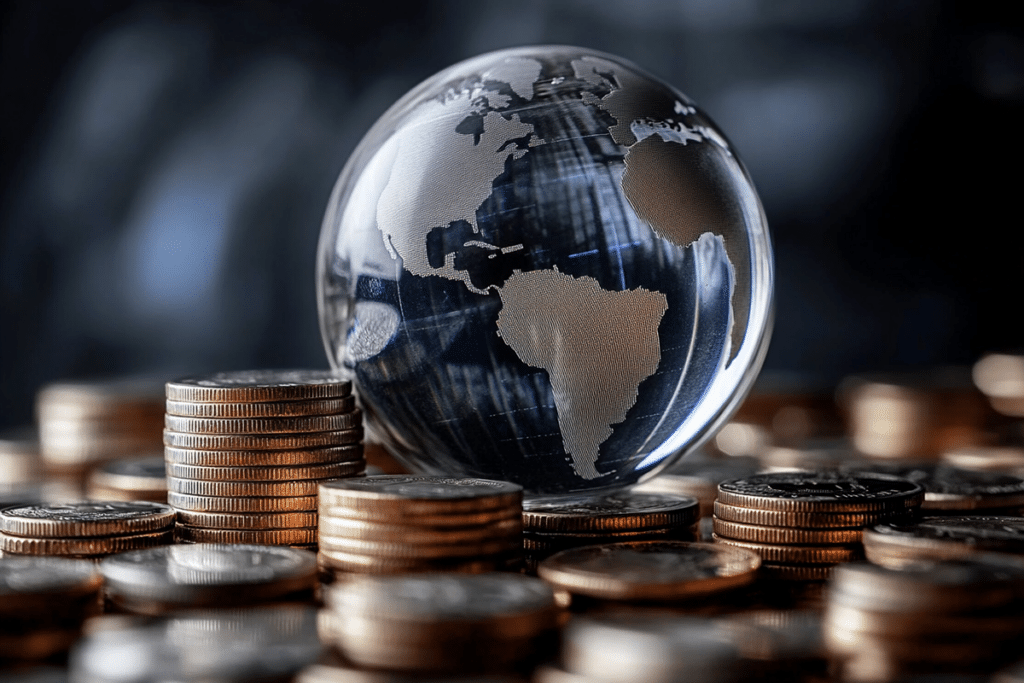
The global economy is changing faster than ever before due to technology, shifting consumer behavior, geopolitical changes, and digital transformation. Industries that once followed stable growth patterns are now adapting to rapid disruptions driven by innovation, sustainability demands, and global connectivity. Understanding these new global economic trends is essential for businesses, investors, and professionals who want to stay competitive in an evolving marketplace.
Digital Transformation and AI-Driven Economies
Artificial Intelligence Integration in Business Operations
Artificial intelligence is becoming a core part of global economic development, transforming how companies operate, make decisions, and serve customers. Businesses are increasingly using AI for automation, data analysis, customer support, and predictive insights. This shift reduces operational costs while improving efficiency and accuracy. As AI tools become more advanced and accessible, industries such as healthcare, finance, retail, and manufacturing are rapidly integrating them into daily workflows.
Automation and Workforce Restructuring
Automation is reshaping job markets and changing the structure of global employment. Routine tasks are increasingly handled by machines, allowing human workers to focus on more strategic and creative roles. While this improves productivity, it also creates challenges for workers who need to reskill and adapt to new job requirements. Governments and organizations are investing more in digital training programs to prepare the workforce for an automated future economy.
Data-Driven Decision Making Across Industries
Data has become one of the most valuable assets in the modern economy. Companies now rely on real-time analytics to guide decisions related to marketing, product development, and customer experience. This trend is reshaping industries by increasing competition and encouraging businesses to become more agile. Organizations that effectively use data insights are gaining a significant advantage in global markets.
Sustainability and the Green Economy Shift
Growth of Renewable Energy Industries
The transition toward renewable energy is one of the most significant global economic trends today. Countries are investing heavily in solar, wind, and hydro energy to reduce dependence on fossil fuels. This shift is creating new industries, jobs, and investment opportunities while promoting long-term environmental sustainability. As energy demands grow, clean energy solutions are becoming essential for future economic stability.
Sustainable Supply Chain Practices
Businesses are under increasing pressure to adopt sustainable supply chain practices. Companies are re-evaluating sourcing, production, and distribution methods to reduce environmental impact. This includes using eco-friendly materials, minimizing waste, and improving transparency. Sustainability is no longer optional—it is becoming a key requirement for global trade and consumer trust.
Corporate Responsibility and ESG Standards
Environmental, Social, and Governance (ESG) standards are influencing investment decisions worldwide. Investors now prefer companies that follow ethical and sustainable practices. Businesses that fail to meet ESG expectations may face reduced investment and reputational risks. As a result, companies are integrating sustainability into their long-term strategies to stay competitive in global markets.
Global Trade, Digital Markets, and Financial Evolution
Expansion of Digital Trade and E-Commerce
Digital trade is transforming the global economy by making international commerce more accessible. Businesses can now reach customers worldwide through e-commerce platforms without physical presence. This trend has significantly reduced entry barriers for small and medium-sized enterprises, allowing them to compete in global markets. The rise of digital payment systems and cross-border logistics is further supporting this transformation.
Evolution of Financial Technology (FinTech)
Financial technology is reshaping how people and businesses manage money. Mobile banking, digital wallets, cryptocurrency, and online lending platforms are becoming mainstream financial tools. These innovations are making financial services more accessible, faster, and more secure. FinTech is also increasing financial inclusion in developing economies by providing services to unbanked populations.
Shifts in Global Supply Chains
Global supply chains are undergoing major restructuring due to geopolitical tensions, pandemics, and economic uncertainty. Companies are diversifying suppliers and moving production closer to end markets to reduce risk. This trend, often called “nearshoring” or “reshoring,” is changing how industries manage production efficiency and cost control. Supply chain resilience is now a top priority for global businesses.
Labor Markets and the Future of Work
Remote Work Becoming a Global Standard
Remote work has become a permanent feature of the global economy. Many companies now operate hybrid or fully remote models, allowing employees to work from anywhere. This shift is changing urban economies, reducing commuting costs, and increasing access to global talent. It also encourages companies to adopt digital collaboration tools and flexible work policies.
Rise of the Gig Economy
The gig economy is expanding rapidly as more individuals choose freelance and contract-based work over traditional employment. Platforms that connect freelancers with global clients are driving this trend. This model provides flexibility and income opportunities but also requires workers to manage financial stability and job security independently. The gig economy is becoming a key component of modern labor markets.
Skill-Based Hiring Trends
Employers are shifting focus from formal degrees to practical skills. Companies now prioritize candidates with proven abilities in digital tools, problem-solving, and technical expertise. This trend is changing education systems and encouraging more people to pursue online courses, certifications, and skill-based training. Skill-driven hiring is reshaping career development worldwide.
FAQs
1. What are global economic trends?
Global economic trends are major changes in how the world economy operates, including technology, trade, and labor shifts.
2. How is AI affecting the global economy?
AI improves efficiency, reduces costs, and changes job roles across multiple industries.
3. Why is sustainability important in modern economies?
Sustainability ensures long-term environmental balance and is now essential for business growth and investment.
4. What is the gig economy?
The gig economy is a labor market based on short-term freelance and contract work instead of permanent jobs.
5. How are supply chains changing globally?
Companies are reshaping supply chains by diversifying suppliers and moving production closer to key markets.
Conclusion
Global economic trends are evolving rapidly and reshaping industries across the world. From digital transformation and AI adoption to sustainability and shifting labor markets, these changes are redefining how businesses operate and compete. Organizations that adapt quickly to these trends will remain competitive, while those that resist change risk falling behind. Understanding these economic shifts is essential for anyone looking to succeed in today’s fast-changing global landscape.