

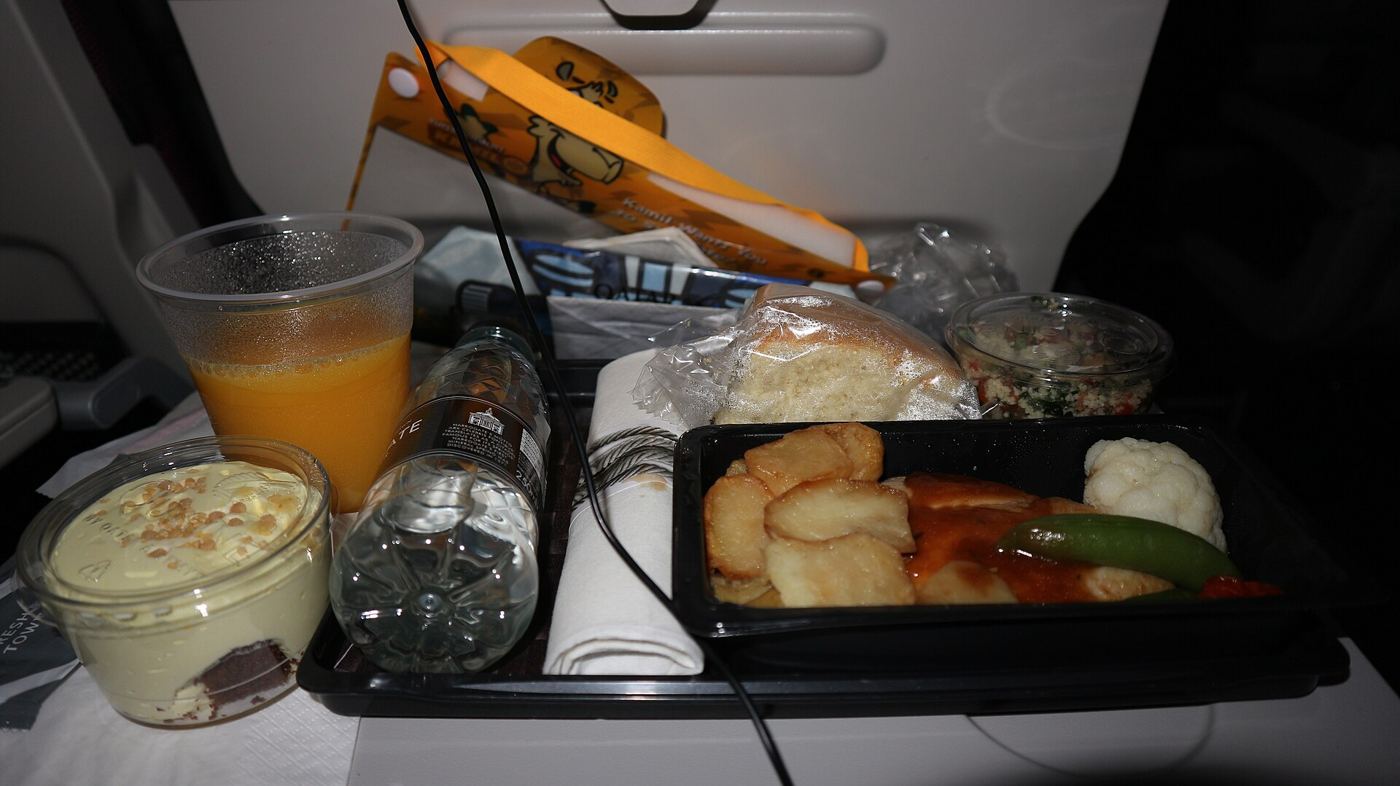
The United States Food and Drug Administration has found recurring listeria contamination at the Detroit-area facilities of DO and CO, a catering company that prepares ready-to-eat meals for major airlines. Inspectors found the bacteria most recently in summer 2025 after visiting three facilities: a dishwashing facility at Detroit Metropolitan Airport, a food manufacturing plant in Van Buren Township and a plating and distribution centre in Romulus. A warning letter sent in March 2026 said the recurring presence of Listeria monocytogenes showed sanitation procedures were inadequate. Whole genome sequencing found multiple resident strains shared between the facilities, with three strains present in both years and in multiple sites. The findings were reported by the Detroit Free Press on November 24, 2026.
What the Evidence Shows
Listeria is a serious concern because eating contaminated food can cause listeriosis, a potentially fatal illness, particularly for pregnant women, older adults and people with weakened immune systems. Airlines depend on caterers for thousands of meals a day, so one supplier’s failure can reach passengers on many flights. The warning letter also cited other violations, including an employee seen handling a pan of raw bacon before preparing a cucumber and tomato salad without washing or sanitising their hands. The problems date back to 2024, when federal inspections cited significant sanitation issues and widespread listeria. The company is an international caterer headquartered in Vienna, Austria, with operations at airports in several countries. As recently as November 2, 2026, the Romulus facility was issued a Form 483 listing possible food safety violations. The company also operates a hub in New York City. Reporting and analysis from sources such as World Health Organization track the same developments, and specialists following the listeria findings at the Detroit airline caterer say the direction is now consistent across independent lines of evidence.
The Wider Context
The wider context is a health system trying to move from treating illness late to preventing it early, against budgets that reward the opposite. Evidence around the listeria findings at the Detroit airline caterer is being weighed by guideline committees that ask two questions in order: does it work, and can ordinary services actually deliver it at scale. Many good ideas pass the first test and stall on the second.
What Happens Next
What happens next for the listeria findings at the Detroit airline caterer depends on the slow machinery of guidelines, funding and training catching up with the evidence. Patients asking about it today should expect honest answers that include uncertainty, and clinicians say a service that explains what is not yet known earns more trust than one that oversells. The research pipeline, at least, is moving in the right direction. You can follow related developments in our coverage of health.
There is a practical lesson in all of this for readers deciding what to do today. Start with the verified facts, be wary of anyone promising certainty, and prefer reversible steps while the evidence is still developing. Circumstances differ by country, income and personal situation, so general guidance should always be weighed against your own context before you act on it in any significant or lasting way.
