

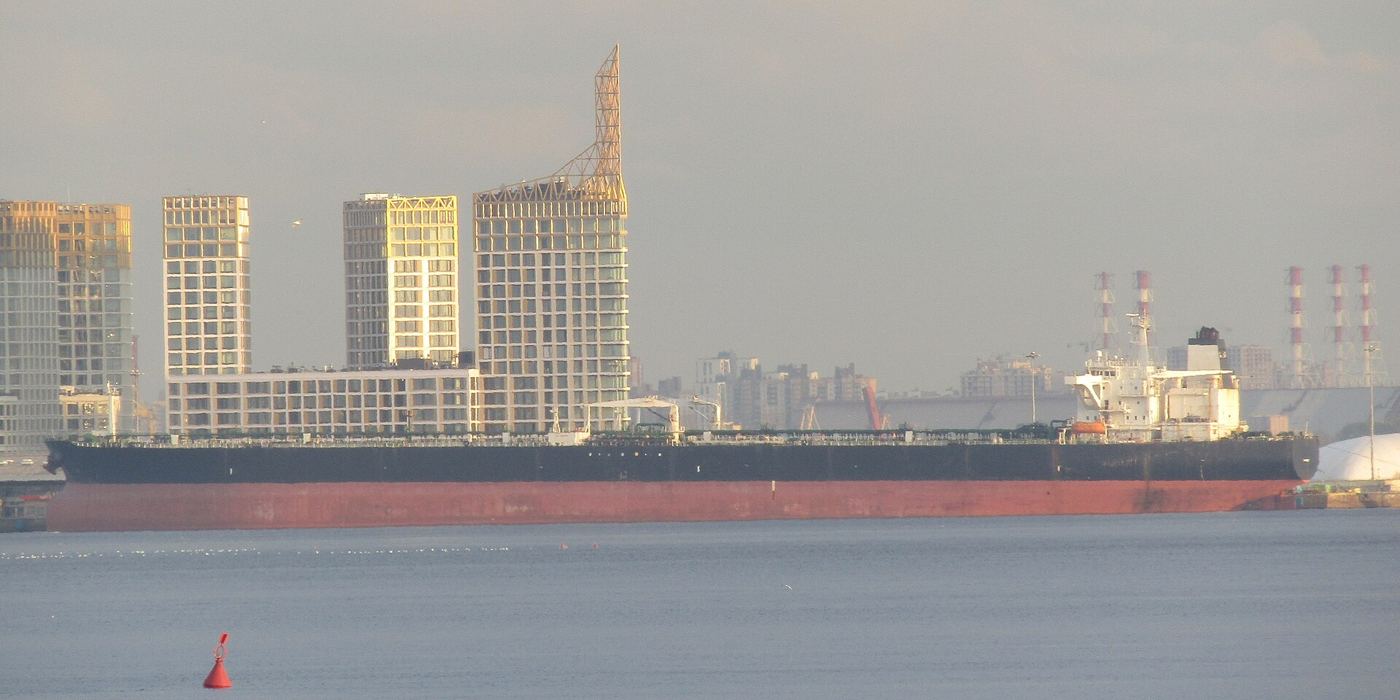
Brent crude traded near $91 a barrel on November 25, 2026, as traders weighed a fresh series of attacks on vessels near the Strait of Hormuz against signs of rising supply and a possible market surplus. Brent slipped to $90.96 in early Asian trading after settling above $91 on Monday, while West Texas Intermediate for January delivery fell about 0.5 percent to $81.65, extending a pullback after a 2.4 percent gain in the previous session. Iran’s Fars news agency reported on Tuesday that a mine had struck a fourth tanker, adding to a string of vessels targeted recently. Brent had settled above $91 on Monday, and the early Asian session saw the contract give back part of that gain as traders balanced supply against the risk to shipping.
What the Evidence Shows
The United Kingdom Maritime Trade Operations centre said three vessels were struck by unidentified projectiles on Monday while sailing east through the strait, and Iran’s Revolutionary Guards said a container ship had been targeted while travelling what they described as an unauthorised route. Tehran also plans to tighten its control over the strait until its demands are met, according to the country’s Tasnim news agency, underlining how far the nearly nine-month conflict remains from resolution. Analysts said supply surplus concerns going into 2027 were outweighing shipping risks, with uncertainty over OPEC policy at its November 29 meeting adding to the pressure, though the attacks have raised doubts about how long falling prices can last. China and India are on track for record Russian oil imports this year, plugging a supply gap caused by the Iran war, according to tanker data. Reporting and analysis from sources such as Financial Times track the same developments, and specialists following Brent crude holding near $91 say the direction is now consistent across independent lines of evidence.
The Wider Context
The wider context is a financial system repricing risk after a long era of cheap money. Decisions shaped by Brent crude holding near $91 are being made under closer supervisory attention, with stress tests and disclosure rules that assume conditions can worsen quickly. Institutions that planned for the benign case are adjusting in public, which is uncomfortable and healthy in equal measure.
What Happens Next
What happens next with Brent crude holding near $91 will be visible first in the data that professionals watch weekly: flows, spreads and the terms on new deals. Participants who spoke for this article expect a period of adjustment rather than drama, with the biggest effects landing on those who assumed the old conditions were permanent. Planning, as ever, is the cheapest hedge. You can follow related developments in our coverage of finance.
None of this will be settled by a single announcement, study or product launch. The pattern to watch is accumulation: independent confirmations, honest reporting of failures and steady improvement in the underlying numbers. Readers who follow those signals, rather than the loudest claim of the week, will understand this subject better than most of the commentary surrounding it suggests is possible.
