

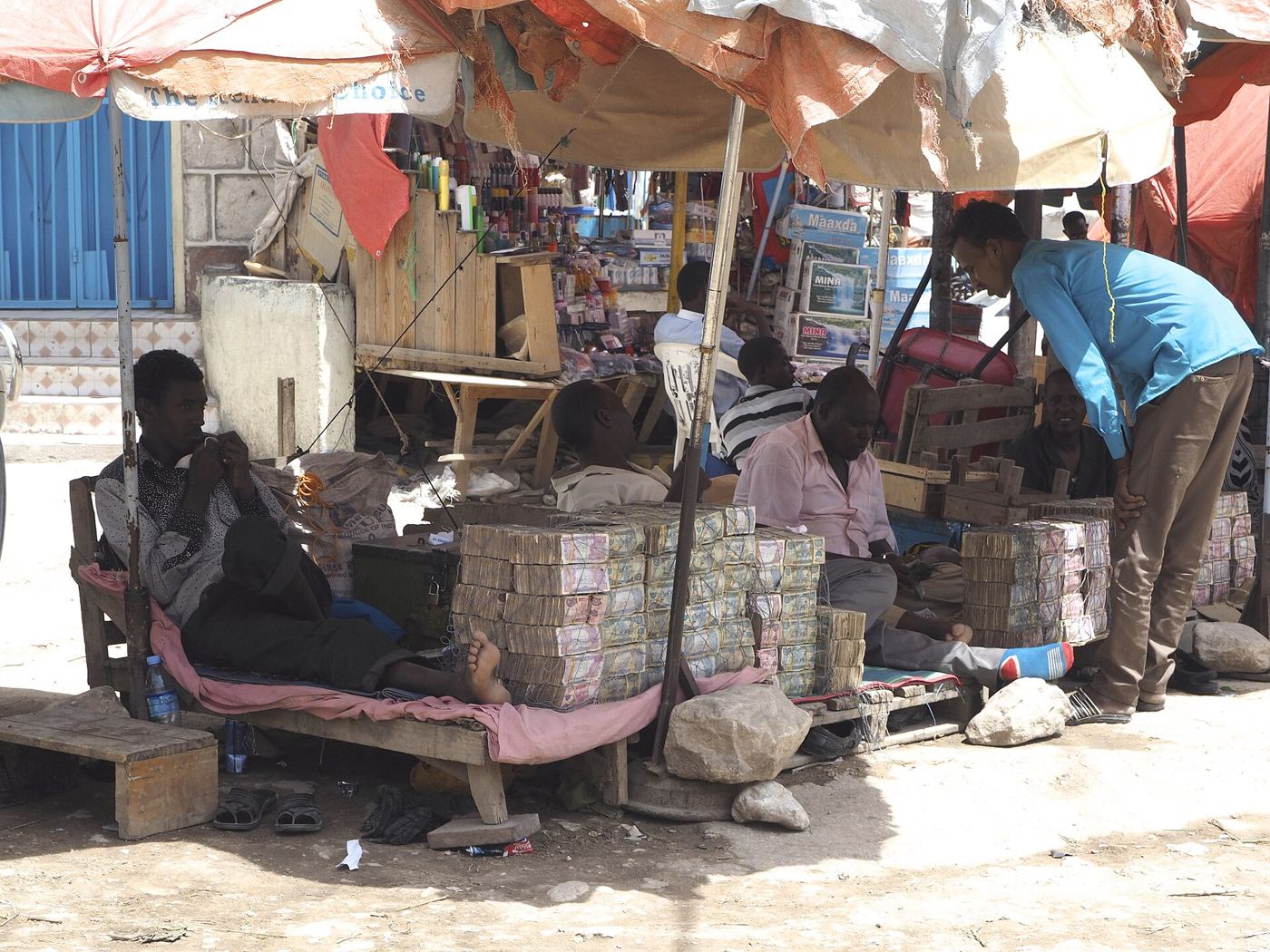
A strong dollar is squeezing borrowers in emerging economies, where governments and companies have taken on large debts priced in the American currency. When the dollar rises, those debts become more expensive to repay in local currency, and the interest payments eat into budgets that are already stretched. Several countries have seen their currencies fall against the dollar, forcing central banks to raise rates to defend them, which in turn slows growth and raises the cost of borrowing at home. Finance ministers say the pressure is worst for countries that import fuel and food, since a weaker currency makes both more expensive at the same time. Investors are watching closely, since a country that struggles to pay its debts can quickly lose access to international markets. A single missed payment can trigger a crisis of confidence that takes years to repair, as past defaults have shown. The pattern is familiar, but each cycle brings its own strain.
What the Evidence Shows
Countries are responding with a mix of measures, some more painful than others. Some are drawing on foreign reserves to support their currencies, while others are seeking help from the International Monetary Fund, which lends on condition of reforms. A few are trying to borrow more in their own currency, reducing their exposure to the dollar over time, though international investors are often reluctant to lend in currencies they do not know. Companies with dollar debts are hedging where they can, buying protection against further falls in their currency. Economists say the episode shows the risk of borrowing heavily in a currency a country does not control, and that the safest course is to build reserves in good times. For the people living through it, the effects show up in higher prices, tighter credit and slower job growth. Reporting and analysis from sources such as Financial Times track the same developments, and specialists following strong dollar emerging market debt say the direction is now consistent across independent lines of evidence.
The Wider Context
The wider context is a financial system repricing risk after a long era of cheap money. Decisions shaped by strong dollar emerging market debt are being made under closer supervisory attention, with stress tests and disclosure rules that assume conditions can worsen quickly. Institutions that planned for the benign case are adjusting in public, which is uncomfortable and healthy in equal measure.
What Happens Next
What happens next with strong dollar emerging market debt will be visible first in the data that professionals watch weekly: flows, spreads and the terms on new deals. Participants who spoke for this article expect a period of adjustment rather than drama, with the biggest effects landing on those who assumed the old conditions were permanent. Planning, as ever, is the cheapest hedge. You can follow related developments in our coverage of finance.
None of this will be settled by a single announcement, study or product launch. The pattern to watch is accumulation: independent confirmations, honest reporting of failures and steady improvement in the underlying numbers. Readers who follow those signals, rather than the loudest claim of the week, will understand this subject better than most of the commentary surrounding it suggests is possible.
