

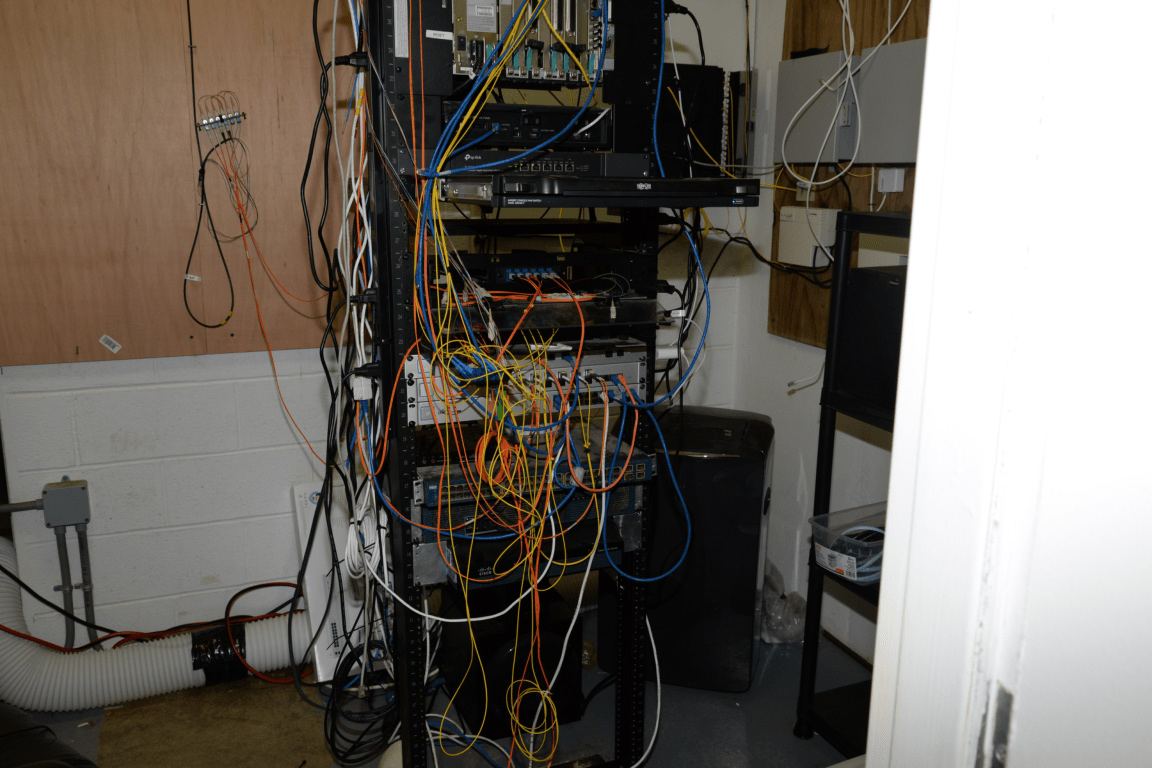
Inside an artificial intelligence data centre, the glamorous hardware is the accelerator chip, but the cabling decides whether thousands of those chips can work as one machine. Training a large model requires processors to exchange data constantly, and the network linking them must move enormous volumes with minimal delay. Traditional server room layouts, designed for machines that mostly talked to the internet, fail this test: cable runs are too long, paths too indirect and the sheer number of connections overwhelms trays and cabinets planned for a sparser era. Engineers are redesigning facilities around the cluster, arranging racks so the busiest connections are the shortest, using optical links where copper reaches its limits and planning cable routes with the same care as power and cooling. The work looks humble and is anything but. A miscounted cable plant can strand millions of pounds of computing hardware behind a bottleneck no software can fix, while a well planned one lets the cluster scale in stages as more racks arrive. Liquid cooling adds its own plumbing to the same crowded space, so the modern data hall is a three-dimensional puzzle of fibre, copper, water and air that must remain serviceable by technicians who need to replace a failed link quickly without disturbing its neighbours.
What the Evidence Shows
New tools are helping planners cope: digital twins of the hall simulate airflow and cable lengths before anything is installed, and structured cabling systems use colour, labelling and pre-terminated assemblies to keep installations consistent across thousands of identical links. Operators also design for failure, because in a cluster of this size something is always broken; spare capacity and rerouting plans are built into the fabric rather than improvised during an outage. Energy matters too, since every unnecessary metre of copper and every conversion between electrical and optical signals consumes power that produces no computation. As accelerators grow hungrier, the network’s share of a facility’s energy and budget keeps rising, which is why cabling architects now sit in design meetings once dominated by chip and cooling specialists. The lesson generalises beyond artificial intelligence. In computing, the connections between components quietly set the limits of the whole system, from a laptop’s motherboard to a warehouse-scale cluster. The engineers pulling fibre through trays in blue-lit halls are, in a literal sense, wiring the ceiling on what the next generation of models can learn, and their unglamorous precision is becoming one of the industry’s scarcer skills. Reporting and analysis from sources such as MIT Technology Review track the same developments, and specialists following cabling design for AI clusters say the direction is now consistent across independent lines of evidence.
The Wider Context
The wider context is an industry learning to ship capability and restraint together. Products built around cabling design for AI clusters now launch with safety evaluations, usage data and rollback plans as standard, because enterprise buyers and regulators ask for them in the first meeting. Companies that treated those questions as friction are discovering they have become the purchase criteria.
What Happens Next
What happens next for cabling design for AI clusters depends less on another breakthrough than on the unglamorous work of reliability, pricing and support. The buyers evaluating it now are not enthusiasts; they are operators with budgets and auditors, and their checklists will decide the timeline. On the evidence of the current pilots, the technology has earned the right to be judged by them. You can follow related developments in our coverage of technology.
There is a practical lesson in all of this for readers deciding what to do today. Start with the verified facts, be wary of anyone promising certainty, and prefer reversible steps while the evidence is still developing. Circumstances differ by country, income and personal situation, so general guidance should always be weighed against your own context before you act on it in any significant or lasting way.
