

Ask holidaymakers how they want to travel in 2026 and one word keeps surfacing: slower. According to Wotif’s Unpack ’26 travel report, half of Australians plan to swap over-planned holidays for peaceful escapes, while 80 percent want a gentler pace and fewer crowds. The checklist holiday — ten cities, twenty landmarks, zero rest — is falling out of fashion, and slow travel is taking its place.
What Slow Travel Actually Looks Like
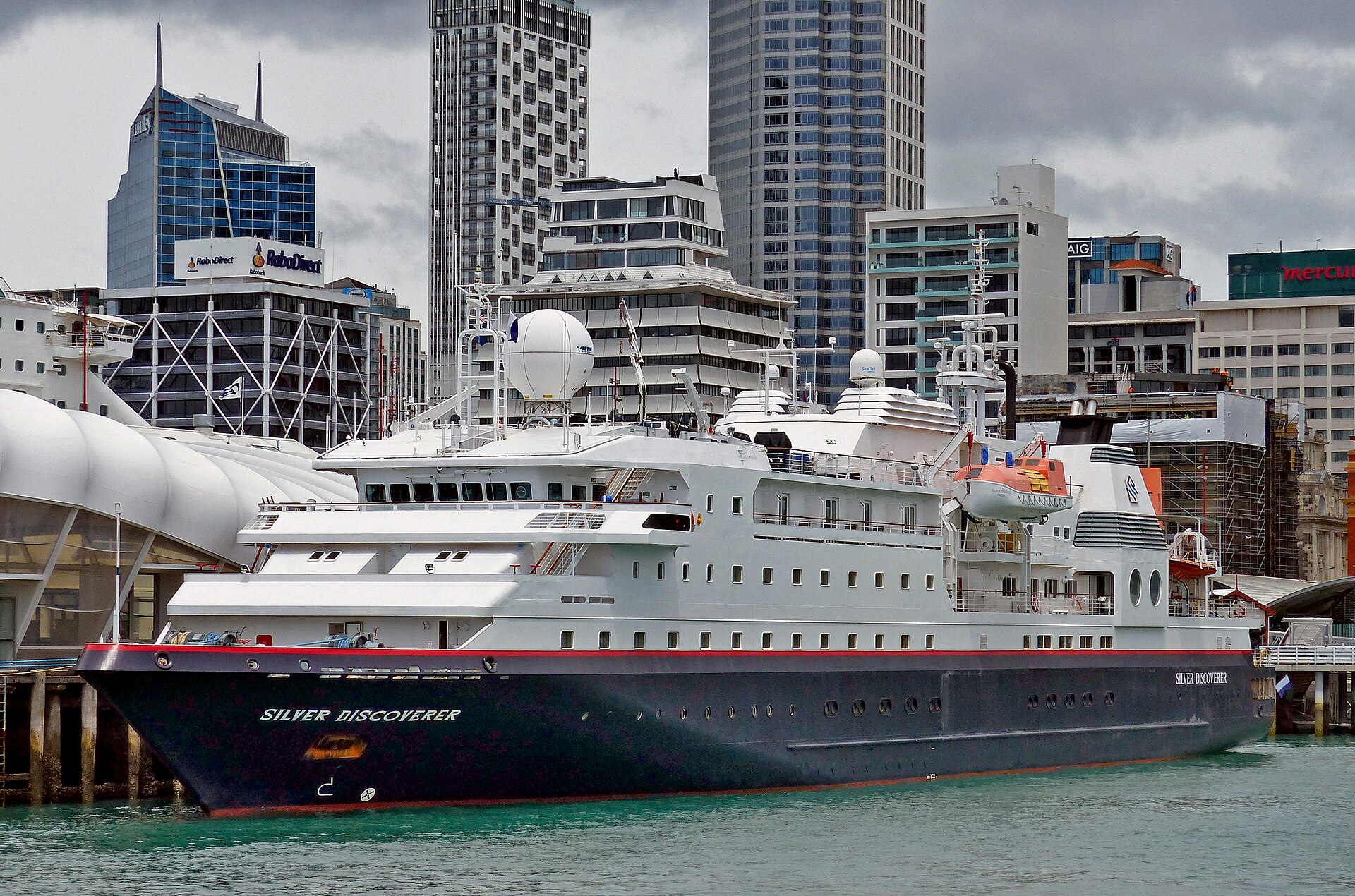
Slow travel is depth over distance: fewer places, more time in each. Its emblematic trips are journeys like a cruise along Australia’s Kimberley coast, where tides of up to twelve metres dictate the schedule — when a river can be entered, when a reef emerges, when a bay becomes a mudflat. There are no queues at the waterfalls and often no phone signal at all; the sea sets the itinerary and travellers simply comply.
The trend also embraces what might be called enforced relaxation: destinations so remote that disconnection is not a discipline but a fact. Operators report guests arriving with elaborate plans and abandoning them by day two, replaced by tender rides into mangrove creeks, gorge swims and long dinners. The full trend picture is explored in the Weekend Times look at slow travel.
Culture Led by the People Who Own It
Another strand of the movement is cultural travel led by Traditional Owners rather than narrated about them. In the Kimberley, the Western Australian Government has committed $5 million to support Indigenous-led tourism at Garaan-ngaddim, the Horizontal Falls, where the Dambimangari Aboriginal Corporation is developing new cultural experiences for visitors.
The appetite behind this is consistent across surveys: travellers increasingly rank meaningful local encounter above famous sights. It is the same impulse that drives interest in hidden natural systems like the deep-sea coral nurseries revealed by new mapping — a desire to see places properly, with the people and knowledge that make them legible.
Adventure, But Make It Gentle
Today’s adventure traveller is not necessarily chasing adrenaline. Survey after survey shows people wanting to feel active and capable rather than terrified: a walk to a gorge pool, a morning’s fishing, a kayak through still water — then a good meal and a proper bed. Travel brands have responded by softening their language from conquest to immersion.
For the industry, slow travel rewrites the economics too. Longer stays in fewer places spread spending into smaller communities, ease pressure on overcrowded hotspots, and produce the kind of reviews money cannot buy. The gentlest holiday, it turns out, may also be the most commercially durable.
Travel trends usually announce themselves with novelty; this one announces itself with a yawn — the good kind. Half the market asking for less, done better, is not a fad but a correction. The destinations that thrive in 2027 will be the ones that understand that doing nothing, beautifully, is a product worth selling.
