

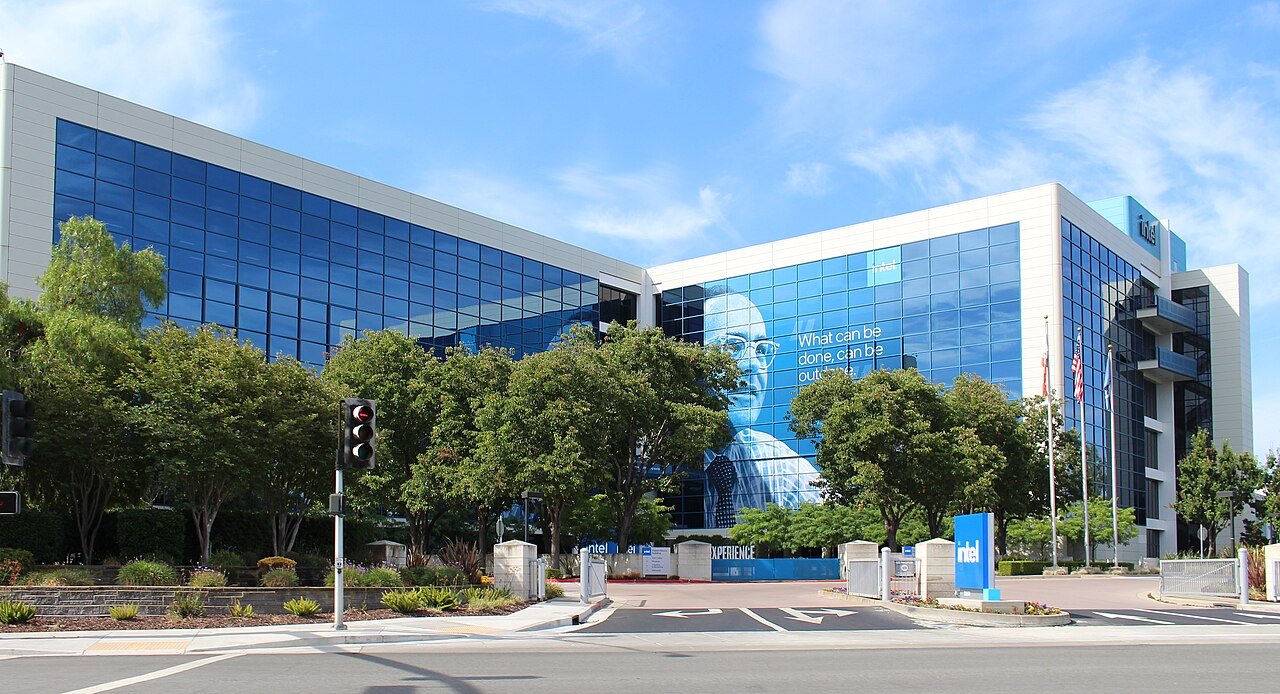
Intel shares endured a historic collapse on Friday, falling 29 per cent in a single session, its worst day since the 1970s, after the chipmaker issued weak guidance that erased roughly $140 billion of market value. The plunge dragged the S&P 500 to its worst day since June and deepened a sell-off that has been building across technology stocks all week. For a company that once defined the semiconductor industry, it was a brutal verdict from investors who have run out of patience.
Guidance That Missed on Every Front
The trigger was an outlook that disappointed across the board: soft demand for personal computer chips, costly plant shutdowns in Israel and questions about whether Intel’s expensive manufacturing turnaround can ever pay for itself. Analysts had expected the company’s foundry ambitions to be a long story; Friday’s numbers suggested the plot is not improving. The reaction echoes concerns we have noted in our look at the economic trends investors are watching, where AI spending is being rewarded only when it converts quickly into revenue.
How the Sell-Off Spread Beyond Intel Shares
Intel was the extreme case of a broader rout. Reddit lost about 29 per cent, its worst session since its IPO, while Illumina and Roblox fell by double digits and AMD dropped nearly 11 per cent. The Nasdaq Composite closed down 2.86 per cent, leaving it 7.8 per cent below its record high of early October. Alphabet’s 12.6 per cent fall on Thursday, its steepest since its own IPO era, had already put the market in a mood to punish any company whose AI story wobbled.
What It Means for the Chip Sector
Semiconductor stocks are now officially in bear-market territory by some measures, with the iShares Semiconductor ETF closing Friday 29 per cent below its recent high. The day’s market briefing led with Intel’s collapse, and strategists say the message from investors is consistent: the era of rewarding AI infrastructure spending on faith alone is over. Companies must show orders, margins and cash, a standard that Intel, mid-turnaround, is struggling to meet.
Next week brings earnings from AMD and Arm, which will test whether Friday was an Intel-specific failure or a sector-wide reset. Either way, the chip industry’s centre of gravity has shifted again, and Intel’s recovery plan now has to be rebuilt under far harsher lights.
