

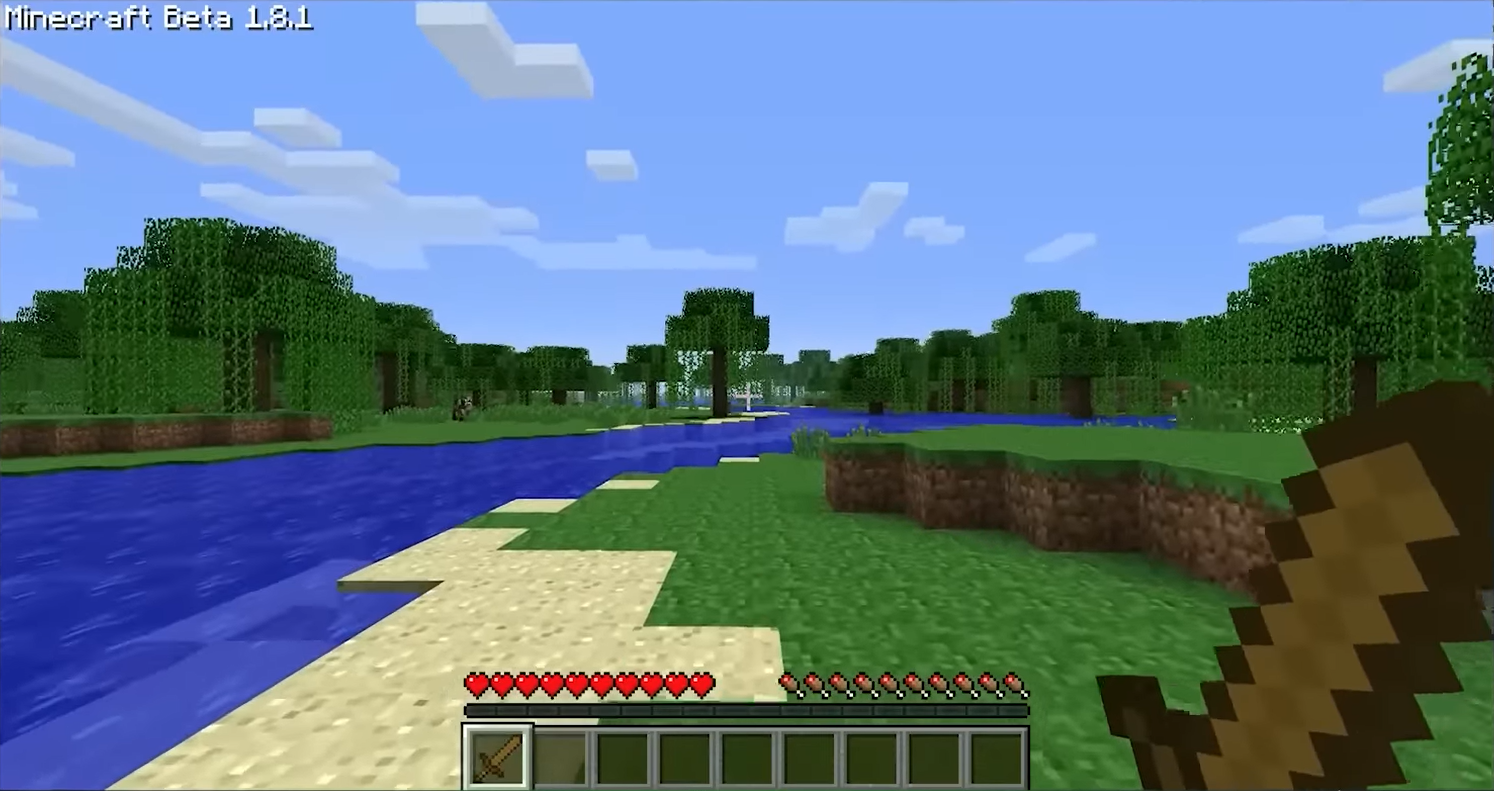
Every Minecraft player knows the feeling of spawning into a world that just feels wrong: a tiny island with one tree, a desert that stretches for thousands of blocks, or a spawn point with nothing interesting for miles. The seed you start with shapes everything that follows, from your first shelter to your hundredth hour. That is why seed hunting has become a hobby of its own, and why tools like seedcrackerx have become popular with players who would rather explore a great world than settle for a random one.
A seed finder does not play the game for you. It previews what a seed contains – terrain, biomes, villages, and structures – so you can choose a starting world that matches the adventure you actually want. Used well, it turns world selection from a lottery into a decision. Here are practical tips for finding seeds that are genuinely worth playing.
Start With What You Want to Play
Before you search for anything, decide what kind of game you want. A survival player needs different terrain than a builder, and a speedrunner needs different structures than an explorer. If you want a relaxed first week, look for seeds with a village near spawn, plenty of wood, and flat land for building. If you want a challenge, look for islands, mountains, or ice plains. Knowing your goal first keeps you from falling in love with a beautiful seed that does not suit your playstyle. Write down two or three must-haves before you open any tool, and treat everything else as a bonus.
Read the Terrain Before You Commit
A seed’s terrain tells you how the first days will go. Rolling plains and forests give you wood, food, and shelter quickly, while extreme hills or oceans slow you down. When you preview a seed, check the area around the spawn point first, then zoom out and look at the wider region: are there caves nearby, a river for travel, or a mountain range worth building in? A great seed is not just pretty at spawn – it stays interesting for thousands of blocks in every direction.
Chase Rare Structures, Not Just Pretty Views
The seeds players remember are usually the ones with rare structures in surprising places: a village split by a ravine, a temple rising out of a desert, a woodland mansion near spawn, or a stronghold under a village. These combinations are rare in random worlds, which is exactly why seed hunting pays off. When you search, filter for the structures you care about and check how close they are to spawn. A monument ten thousand blocks away is a curiosity; the same monument five hundred blocks from spawn changes your whole game.
Test Seeds Quickly Before Settling
Never commit to a seed based on a preview alone. Load it, play the first ten minutes, and check the basics: wood within sight, food nearby, a safe place for the first night, and a cave or mine entrance worth exploring. If the first day feels like a chore, move on – there are millions of seeds, and the right one should feel exciting from the start. Quick tests save you from discovering on day twenty that your world has no village, no temple, and no decent mining spot anywhere near home.
Keep a Seed Journal
Serious seed hunters keep notes. When you find a seed you like, write down the seed number, what makes it special, and where the key locations are. Over time your journal becomes a personal library of worlds: one for building, one for survival challenges, one for playing with friends. Sharing seeds with other players is part of the fun, and a good journal means you never lose a great world to a forgotten number.
Seed hunting is at its best when it serves the game instead of replacing it. Use previews to skip the disappointing worlds, then stop searching and start playing. If you want to try it yourself, open seedcrackerx.com and search for a world that fits the adventure you have in mind – the right seed is out there, and finding it is half the fun.
