

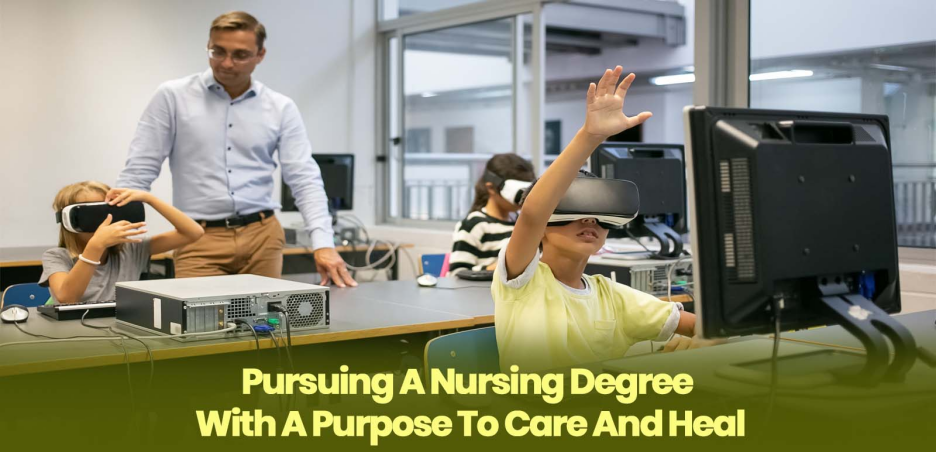
In today’s modern education geography, digital world literacy is no longer a specialist skill reserved for only IT majors but a baseline expectation for every student. Walk into almost any workplace today, and you will see the same thing: screens, software, data collection, dashboards, automation tools, and systems quietly running in the background.
Technology is not a separate department from IT anymore. It is the infrastructure holding nearly every industry together. Yet when you look at many traditional educational institutions’ programs, something feels slightly disconnected. Students attend lectures, complete assignments, sit for exams, and graduate with degrees. But too often, they leave without practical digital fluency.
One must know that the world has changed quickly. Education, in many cases, is still catching up. Technology in education is no longer a bonus skill or an optional elective. It has become foundational. Whether a student is majoring in business, healthcare, humanities, or engineering, digital expertise shapes their ability to succeed long-term.
The Growing Gap Between Classrooms And Careers
Across the globe, many countries have embedded learning coding, digital literacy, and technical problem-solving into the early part of education. Students are introduced to programming languages, data analysis tools, and collaborative digital platforms before they even reach educational institutions.
Modern education must reflect the realities of a technology-driven economy, where adaptability and digital fluency matter just as much as academic theory. In contrast, in parts of the UK, the education system remains rooted in tradition. Prestigious colleges such as Oxford and Cambridge proudly maintain centuries-old academic frameworks, and while their intellectual depth remains strong, technological adaptability does not always move at the same pace.
Things to remember: We are living in times where a degree alone is no longer enough. Employers increasingly expect graduates to understand basic data tools, automation platforms, collaborative tech systems, and even artificial intelligence usage. When students lack exposure to these tools, they enter the workforce at a disadvantage.
Unfortunately, this gap has led many students to look beyond their formal curriculum. And they seek additional training, certifications, and support systems to strengthen their digital capabilities independently. As education, work, and social interaction shift into the digital world, individuals must develop new skills to navigate information critically and communicate effectively across virtual platforms.
Understand That Technology Is Shaping Every Industry
There was a time when technology skills were primarily associated with computer science majors. That time has passed. One of the biggest challenges facing modern education is aligning class instruction with the fast-moving demands of the professional digitalized world.
Some facts: Even healthcare professionals are now relying on digital record systems and diagnostic technologies. Financial analysts use algorithm-driven platforms. Marketing teams operate through data analytics and automation software. Even creative industries depend heavily on digital editing tools, cloud collaboration, and content management systems.
Without tech literacy, students face a downward slip in almost every career path. This reality has sparked increased interest in IT assignment help, especially among students who did not initially plan to pursue technical fields but now recognise its importance.
The modern workplace values adaptability. And understanding technology is part of that adaptability in everyday life. The rapid evolution of the digital world has transformed how students access knowledge, collaborate on projects, and engage with global perspectives beyond traditional classroom walls.
Degrees Without Digital Depth Are Useless
Every year, thousands of students graduate with impressive credentials. However, many admit feeling underprepared when confronted with real-life technical tasks. They may have theoretical knowledge but lack hands-on experience with the digital tools they will encounter in professional environments.
Artificial intelligence, blockchain systems, virtual reality, and advanced data analytics are no longer abstract concepts of the past. They have integrated into business models and operational strategies worldwide. As industries evolve, modern education systems are under increasing pressure to redesign curricula that include basic coding, data analysis, and familiarity with emerging technologies.
Students who want to remain competitive often take matters into their own hands. Some enroll in external courses or online classes. Others pursue IT-related certifications. Many combine formal education with a dissertation writing service to manage heavy workloads while building practical tech skills outside daily class hours.
It will later show up as an advantage for you when you are currently balancing both academic expectations and digital skills. Your development requires careful time management. But the effort will pay off. Success in today’s digital world depends not only on technical proficiency but also on digital literacy, ethical awareness, and the ability to adapt to continuous technological change.
Online Learning Platforms Are Filling The Physical Gaps
In response to UK education institutional limitations, the independent platforms and private institutions have expanded online learning options. These platforms offer flexibility, hands-on technical modules, and up-to-date curricula aligned with current industry trends.
Online learning has changed how students used to think about skill-building efforts. Instead of waiting for curriculum reforms, students can proactively gain certifications in coding languages, manage software systems, or become part of cybersecurity.
At the same time, indeed, normal academic pressure does not disappear. Which is why, during exam-heavy periods, you can get online academic help that provides structured preparation support, allowing students to stay academically stable while investing time in technical growth. The key is to balance, not find a replacement for your plans.
From online learning to remote healthcare, the digital world is reshaping industries and redefining what it means to be connected, informed, and empowered.
The Role Of Computer Science In A Digital Economy
Computer science has become one of the most influential parts of modern education. Even students outside of STEM fields benefit from understanding its basics. Students navigating modern education quickly realise that mastering digital tools is just as important as earning high grades in other subjects.
Learning basic programming, logic develops, and analytical thinking becomes part of your life. Exposure to digital databases enhances problem-solving. Familiarity with cybersecurity increases awareness. As more aspects of daily life move into the digital world, ensuring equitable access and inclusive design has become a critical challenge for policymakers and educators alike.
However, for some students, computer science classes can feel intimidating, especially for beginners. The pace is often fast, and the ideologies can be unclear at first. This is where you can get someone to ‘do my assignment’ service becomes valuable. With a structured procedure, students can grasp foundational ideas without feeling overwhelmed.
The Imperative For Traditional Education To Evolve And Modernize
The education system of the UK now stands at a turning point. Continuing to prioritise outdated structures without integrating digital advancement risks leaving students unprepared.
This does not mean abandoning tradition. But collaborating, critical thinking, research, and digital academic writing remain essential. But these skills now coexist with technical literacy. The integration of AI, cloud computing, and mobile technology continues to redefine the digital world, offering new opportunities for innovation, efficiency, and global collaboration.
Investment in updated labs, digital infrastructure, and industry partnerships would help bridge the gap. One should not forget that the generation before also became part of the digital revolution. The faculty training in emerging technologies is considered equally important. Without the overall systemic change, students will continue to seek external alternatives to quench their need for digital education.
The Consequences Of Ignoring IT Skills
The impact of insufficient tech education extends beyond individual careers. It influences economic growth, innovation capacity, and national competitiveness.
Many countries that have started to invest heavily in digital literacy often experience faster technological adoption and stronger startup ecosystems. Many new graduates equipped with both academic knowledge and technical fluency drive towards the future of innovations.
Without the much-needed reform, the gap between the academic world and workplace expectations may continue to widen. The success of modern education depends on its ability to prepare students not just for exams, but for real-life problem-solving in a tech-centred society.
It is a good thing that many students understand this reality. That awareness of the global village is why so many pursue additional IT training independently. They recognise that success requires more than a book or notes.
Young learners are growing up in a digital world where information is instantly accessible, making critical thinking and source evaluation more important than ever before.
Looking Ahead: Education In The Digital Era
The future of UK education will most likely blend traditional academic foundations with immersive digital updates. Just imagine: Hybrid classrooms, AI-assisted learning platforms, and virtual simulations will become standard rather than the thing of the future.
Students who adapt early will benefit most. Embracing technology does not mean abandoning your core academic values. Instead, it enhances them.
Technical skills amplify critical thinking. Data literacy strengthens research. Digital collaboration broadens communication abilities. Businesses that adapt quickly to changes in the digital world often gain a competitive edge through improved customer engagement, data-driven decisions, and scalable operations.
Educational institutions, policymakers, and educators share responsibility to speed up this transformation. But students also need to play a role by proactively reaching for knowledge and taking advantage of available resources.
Final Thoughts: Preparing For More Than Graduation
One thing is for sure: technology is not a passing trend. It is the language of the modern world. Ignoring it within educational institutions will create a major disconnect between degrees and careers.
Building IT-competent classes alongside academic basic study will equip students with long-term benefits. Whether through formal projects, assignments, independent certifications, or other structured academic support like assignment help, students will truly have more options than ever.
The UK educational system must certainly evolve with the world it serves. By updating digital literacy into every field of study and encouraging students the adaptability of learning new pathways, educational institutions can better prepare graduate students not only for employment but for meaningful participation in a rapidly changing global landscape.
Things to remember: The future belongs to those who understand both theory and technology. And that preparation begins now and not later. Ultimately, modern education must move beyond traditional methods and embrace innovations to ensure that students are workforce-ready from day one.
The future of education, healthcare, and governance will depend heavily on how equitably and responsibly we shape the evolving digital world for all users.
