

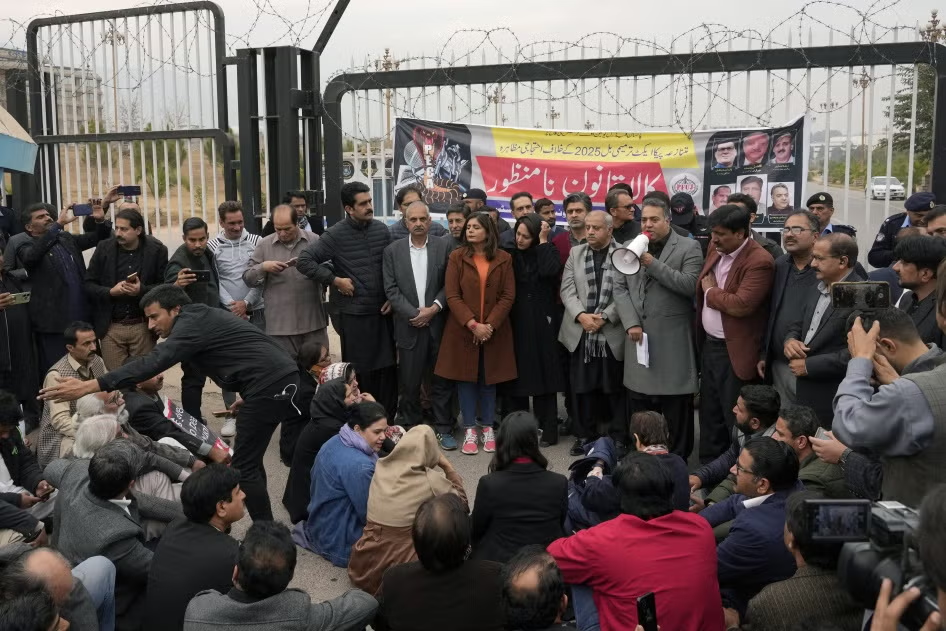
Government policies often shape the daily lives of citizens, but recent government rules introduced across the country have triggered widespread public debate. Many people believe these changes could affect freedom of expression, privacy, and access to public services, while others argue the rules are necessary for national security and administrative control. As discussions continue online, in political circles, and among ordinary citizens, the nationwide debate over public rights has become one of the most talked-about public policy issues today.
Understanding the New Government Rules
Changes Introduced Under the New Policies
The newly introduced government regulations include updated rules related to public gatherings, digital communication, and administrative monitoring. Officials claim these measures are designed to improve public safety and strengthen governance. However, critics argue that some policies may increase government control over citizens’ activities. The changes have quickly gained national attention because they directly impact how people interact, communicate, and exercise civic freedoms in everyday life.
Why the Government Supports These Measures
Government representatives have defended the new rules by stating they are necessary to maintain social order and national security. According to officials, rising concerns over misinformation, cyber threats, and public unrest made stronger regulations unavoidable. Authorities also believe the updated framework will help improve accountability and create a more organized system for managing public affairs. Supporters of the policies say the rules are intended to protect citizens rather than limit their freedoms.
Public Reactions Across the Country
Public response to the new government rules has been divided. Some citizens support stricter policies if they lead to better safety and stability. Others fear the regulations may reduce individual rights and weaken democratic freedoms. Social media platforms, news channels, and public forums have become filled with debates about the long-term effects of these decisions. The nationwide discussion highlights how deeply public rights matter in modern society.
Impact on Public Rights and Civil Liberties
Concerns About Freedom of Expression
One of the biggest concerns surrounding the new rules is their possible effect on freedom of speech. Critics worry that tighter digital and public communication regulations could discourage open discussion and public criticism. Journalists, activists, and civil rights organizations have expressed concerns that excessive restrictions may create fear around expressing opinions freely. This debate has raised important questions about balancing national security with democratic values.
Privacy and Digital Monitoring Issues
Another major topic in the nationwide debate involves privacy rights. Some of the new government measures reportedly include stronger monitoring systems and increased oversight of digital activities. While authorities argue that surveillance tools can help prevent crime and misinformation, privacy advocates believe these actions may threaten personal freedoms. The discussion reflects growing public concern about how much control governments should have over private digital spaces.
Effect on Public Protests and Gatherings
The rules affecting public gatherings have also sparked intense debate. New permit requirements and restrictions on large gatherings have raised concerns among social organizations and protest groups. Critics argue that peaceful protest is a fundamental democratic right and should not face unnecessary limitations. Supporters of the policies, however, claim stricter controls are essential to prevent violence and maintain public order during large events.
Political and Social Debate Surrounding the Policies
Political Parties Respond to the New Rules
Political leaders from different parties have responded strongly to the government’s actions. Opposition parties have criticized the rules as excessive and potentially harmful to civil liberties. Meanwhile, ruling party officials continue to defend the policies as responsible governance. The disagreement has intensified political tensions and turned the issue into a major national debate that could influence future elections and public opinion.
Role of Media and Social Platforms
Traditional media outlets and social media platforms have played a major role in spreading information and shaping public discussion. News reports, online campaigns, and viral posts have increased awareness about the impact of the new government rules. At the same time, misinformation and emotional reactions online have added complexity to the debate. This situation shows how digital platforms now influence public perception and political conversations more than ever before.
Long-Term Effects on Society
Experts believe the long-term impact of these policies will depend on how they are implemented and monitored. If citizens feel their rights are protected, the rules may eventually gain broader acceptance. However, if concerns over freedom, privacy, and public participation continue to grow, social trust could weaken over time. The nationwide debate demonstrates the importance of transparency, accountability, and public dialogue in shaping modern governance.
FAQs
1. Why are the new government rules controversial?
The rules are controversial because many people believe they could affect public rights, privacy, and freedom of expression.
2. What public rights are being discussed in the debate?
The debate mainly focuses on free speech, privacy rights, and the right to peaceful public gatherings.
3. Why does the government support these policies?
Officials say the rules are necessary for national security, public safety, and better administrative control.
4. How are citizens reacting to the new regulations?
Public opinion is divided, with some supporting stronger security measures and others opposing possible restrictions on freedoms.
5. Could these rules affect future politics?
Yes, the nationwide debate may influence public opinion, elections, and future policy decisions.
Conclusion
The nationwide debate over new government rules and public rights highlights the ongoing challenge of balancing security with individual freedoms. While authorities argue the policies are necessary for stability and protection, many citizens remain concerned about privacy, free speech, and democratic participation. As discussions continue, transparency and open public dialogue will play a crucial role in shaping how these regulations are viewed and implemented in the future.