

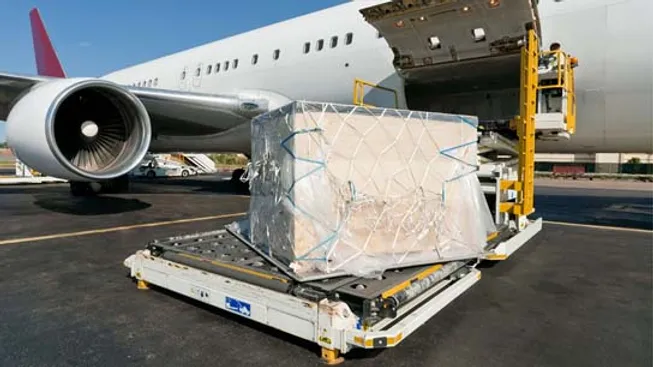
Air freight services provide a fast, reliable solution for transporting goods over long distances. Unlike traditional shipping methods, air freight prioritises speed, security, and efficiency, making it ideal for time-sensitive, high-value, or perishable cargo. Understanding how these services operate helps businesses optimise logistics and meet delivery deadlines consistently.
The Basics of Air Freight Services
Air freight involves moving goods via commercial or cargo aircraft. Shipments are packaged, documented, and loaded onto planes according to strict safety and regulatory requirements. The process includes scheduling, customs clearance, and tracking, ensuring that items reach their destination efficiently.
Companies offering air freight services handle a range of cargo types, from small parcels to large pallets, and often provide options for express or standard delivery depending on urgency. When planning shipments, businesses consider factors such as weight, volume, and the nature of the goods to determine the most suitable service.
Advantages of Using Air Freight
Speed is the primary benefit of air freight. Goods that might take weeks by sea can arrive in just days. This is particularly valuable for perishable goods, electronics, or critical parts required for manufacturing.
Air freight also offers enhanced security. Airports and airlines enforce stringent safety measures, reducing the risk of theft or damage. Additionally, tracking systems provide real-time visibility, allowing businesses to monitor their cargo at every stage of transit.
Process of Air Freight Shipping
The journey of air freight begins with packaging and labelling, followed by documentation that includes airway bills, commercial invoices, and customs forms. Once cleared, shipments are transported to the airport, where they are screened and loaded onto cargo planes.
During transit, cargo may be consolidated with other shipments or transported directly depending on service type. Upon arrival at the destination airport, customs procedures are completed before delivery to the consignee. This process ensures compliance with local regulations and smooth handover of goods.
Choosing the Right Air Freight Provider
Selecting a reliable provider is essential for seamless logistics. Businesses often look for operators with experience handling similar types of cargo, comprehensive service options, and proven reliability.
Navia Freight air freight services offer tailored solutions for businesses requiring efficient, secure, and trackable transport. By leveraging expertise in scheduling, handling, and regulatory compliance, Navia Freight ensures that shipments arrive on time and in excellent condition.
Cost Considerations
Air freight costs are influenced by weight, volume, service type, and destination. Express services are faster but often more expensive, while standard services balance cost and delivery time. Additional factors such as fuel surcharges, customs fees, and insurance also affect pricing.
Working with an experienced provider helps businesses plan and manage costs effectively, avoiding unexpected charges and ensuring shipments remain within budget.
Conclusion
Air freight services are a critical component of modern supply chains, offering speed, security, and reliability for a wide range of goods. By understanding the processes, advantages, and provider selection criteria, businesses can make informed decisions about their logistics strategies.
Partnering with Navia Freight air freight services provides comprehensive support from origin to destination, ensuring goods are handled professionally, comply with regulations, and arrive safely. Effective air freight management not only optimises delivery times but also strengthens customer satisfaction and operational efficiency.
