

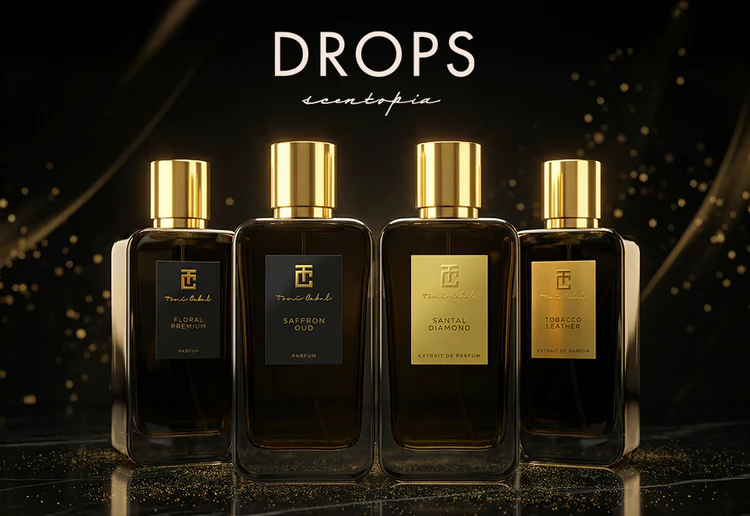
Luxury fragrances have maintained a powerful position in the beauty and lifestyle industry because they offer much more than a pleasant scent. They create emotional connections, represent personal identity, and provide memorable experiences that encourage customers to return repeatedly. Unlike ordinary perfumes, luxury fragrances are often associated with elegance, confidence, and individuality. Many loyal customers develop a strong attachment to a specific fragrance because it becomes part of their personality and daily routine. A signature scent can remind people of important moments, special occasions, or personal achievements, making the fragrance feel valuable beyond its physical product.
One of the main reasons customers remain loyal to luxury fragrances is the emotional experience connected to wearing them. A carefully crafted scent can influence mood, improve confidence, and create a sense of sophistication. When people discover a fragrance that perfectly matches their style, they often continue purchasing it for years. This emotional bond transforms a simple beauty product into a meaningful part of their lifestyle. Luxury fragrance brands understand this connection and focus on creating unique compositions that allow customers to express themselves.
The exclusivity associated with premium fragrances also strengthens customer loyalty. Many luxury brands produce distinctive scents using carefully selected ingredients and traditional techniques. This attention to detail gives customers the feeling that they are investing in something rare and special. Rather than purchasing only a dior perfume they are buying an experience that represents quality, creativity, and refinement. This emotional value is one of the strongest reasons why luxury fragrances continue to attract dedicated customers worldwide.
Superior Quality and Expert Craftsmanship Drive Customer Trust
Another important factor behind the popularity of luxury fragrances is the exceptional quality and craftsmanship involved in their creation. Premium fragrance houses invest significant time and resources into developing unique scent profiles that stand apart from mass-market alternatives. Skilled perfumers, often called fragrance creators, combine different notes with precision to produce balanced and long-lasting aromas. This level of expertise builds trust among consumers who appreciate the artistry behind each bottle.
Luxury fragrances typically use high-quality ingredients sourced from different regions around the world. Natural extracts, rare flowers, exotic woods, and carefully selected oils contribute to the complexity and depth of premium scents. These ingredients allow luxury perfumes to develop beautifully over time, creating different layers of fragrance as they interact with the skin. Customers who value quality recognize the difference between a simple fragrance and one created through detailed craftsmanship.
The production process itself adds to the appeal of luxury fragrances. Many high-end fragrance brands follow traditional methods while incorporating modern innovations to improve performance and uniqueness. From selecting ingredients to designing the final bottle, every stage reflects attention to detail. This dedication creates a sense of authenticity that attracts customers who want products with a story and heritage.
For loyal buyers, the consistent quality of luxury fragrances provides reassurance. When customers purchase a premium scent from a trusted brand, they expect a certain level of excellence. Meeting these expectations repeatedly encourages long-term relationships between fragrance houses and consumers. The combination of craftsmanship, reliability, and superior performance makes luxury fragrances a preferred choice for those seeking a refined scent experience.
Brand Identity and Exclusivity Create a Strong Market Attraction
Luxury fragrance brands have successfully built strong identities that influence consumer loyalty. A fragrance is often connected to the image, history, and reputation of the brand behind it. Customers are attracted not only to the scent itself but also to the values and lifestyle represented by the company. Owning a luxury fragrance can symbolize elegance, success, and personal taste, making the product more meaningful to consumers.
Brand storytelling plays an essential role in attracting loyal customers. Many luxury fragrance companies create narratives around their collections, highlighting inspiration from nature, culture, travel, or historical traditions. These stories allow customers to form deeper connections with the products. When people understand the inspiration behind a fragrance, they often appreciate it more and feel a stronger attachment to the brand.
Exclusivity is another major reason luxury fragrances maintain customer interest. Limited editions, unique bottle designs, and carefully controlled availability create a feeling of rarity. Customers enjoy owning something that feels different from widely available products. This sense of uniqueness encourages repeat purchases because consumers want to continue experiencing the special qualities associated with luxury scents.
In addition, luxury fragrances often represent status and personal achievement. For many customers, purchasing a premium perfume is a form of self-expression and a way to celebrate important milestones. The combination of brand reputation, exclusivity, and emotional value helps luxury fragrance companies maintain a loyal customer base even in a competitive market.
Personalization and Changing Consumer Preferences Strengthen Loyalty
Modern consumers are increasingly interested in products that reflect their personal style, and luxury fragrances successfully meet this demand. People no longer choose scents only based on popularity; they look for fragrances that match their personality, lifestyle, and individual preferences. Luxury fragrance brands respond by offering diverse collections with different scent families, allowing customers to discover perfumes that feel uniquely connected to them.
Personalization has become an important trend in the fragrance industry. Some luxury brands provide customized recommendations, exclusive consultations, and personalized fragrance experiences. These services help customers feel valued and create stronger relationships between buyers and brands. When consumers receive guidance in selecting a scent that suits them, they are more likely to develop loyalty toward that fragrance house.
Changing consumer preferences have also encouraged luxury fragrance brands to innovate. Today’s customers are interested in sustainable ingredients, ethical production, and creative scent combinations. Many premium brands are adapting by introducing environmentally responsible packaging, transparent sourcing methods, and modern fragrance concepts. These efforts attract customers who want luxury products that align with their personal values.
The availability of online shopping and digital experiences has further expanded access to luxury fragrances. Customers can now explore collections, learn about ingredients, and discover new releases through digital platforms. However, despite technological changes, the desire for a personal connection remains strong. Luxury fragrances continue to succeed because they combine innovation with the traditional experience of elegance and individuality.
The Future of Luxury Fragrances and Continued Customer Devotion
The future of luxury fragrances remains strong because these products continue to offer qualities that customers deeply value. While trends may change, the desire for self-expression, confidence, and memorable experiences will always influence fragrance choices. Premium scents provide consumers with a way to communicate their personality without words, making them an important part of personal style.
Luxury fragrance companies continue to invest in creativity, advanced technology, and customer experiences to maintain their appeal. New fragrance launches often combine traditional craftsmanship with modern ideas, ensuring that brands remain relevant to different generations. By understanding customer expectations and adapting to market changes, luxury fragrance houses continue to build lasting relationships with consumers.
Another reason for ongoing customer loyalty is the role of luxury fragrances in gifting and special occasions. A carefully selected perfume can represent appreciation, celebration, and affection. Many people choose premium fragrances as meaningful gifts because they offer both elegance and personal significance. This connection between fragrance and important life moments helps maintain demand for luxury scents.
Ultimately, luxury fragrances continue to attract loyal customers because they represent much more than a beauty product. They combine artistry, quality, exclusivity, and emotional meaning in a way that few other products can match. As consumers continue to seek unique experiences and personal expression, luxury fragrances will remain a powerful and influential part of the global fragrance industry. Their timeless appeal ensures that loyal customers will continue returning to discover and enjoy exceptional scents for years to come.